

The European Investment Bank (EIB) will begin reducing investments in fossil fuels, such as oil and gas, at the end of next year. This was announced by the EIB during the presentation of a new strategy concerning energy investments. Under pressure from several EU coal countries, subsidies will not be abruptly cut off but slowly scaled down.
In the future, the focus of the European Investment Bank (EIB) will be on technology for cleaner energy, efficiency, and renewable energy forms. This will align all financing activities of the EIB with the Paris climate agreements, according to the statement.
“Climate is the most important issue on the political agenda of our time,” said EIB President Werner Hoyer. EIB Vice President Andrew McDowell said the decision to step away from fossil investments was made with “overwhelming support.” The EIB aims to become the European Union’s climate bank.
Promotion
With the new investment policy, steps will be taken toward ending fossil investments, but investments in certain gas projects will still be possible under these new rules.
In July, the EIB aimed to completely stop fossil investments. Under pressure from the European Commission and the EU coal countries Germany, Italy, and Poland, the decision was softened. The biggest weakening compared to the earlier proposal is the standard for the maximum amount of CO2 emissions from an energy project. This standard was the core of the original proposal, setting a maximum emission value as a strict requirement.
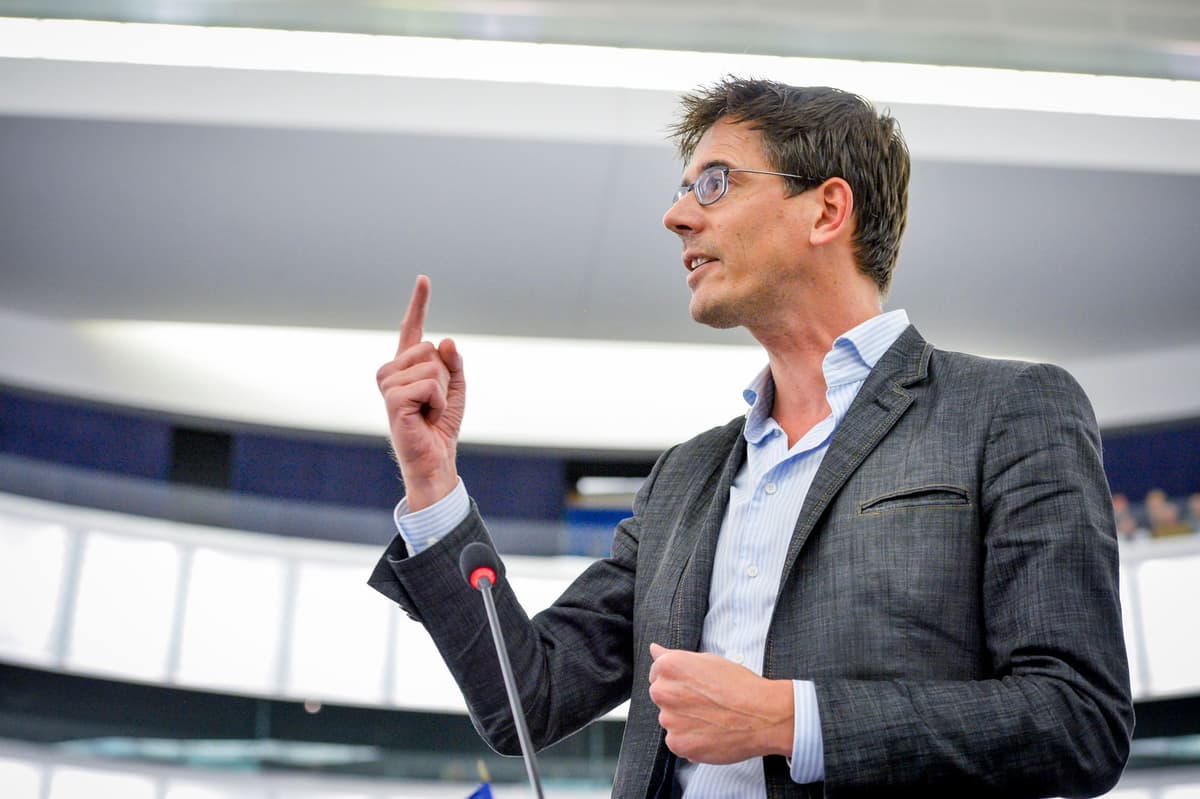
Now, the EIB opts for an average emission over the total lifetime of a project. GreenLeft MEP Bas Eickhout expressed surprise at the European Commission's stance. He called it astonishing that the European Commission is now putting the brakes on the key opportunity to phase out fossil investments.
Nevertheless, Eickhout sees a turning point in the debate over fossil subsidies. According to him, the months-long discussions about the new EIB energy policy demonstrate that reducing fossil subsidies is genuinely on the agenda. The EIB will evaluate its new investment policy in two years. Eickhout expects that by then, the EU will truly say goodbye to all fossil investments.