

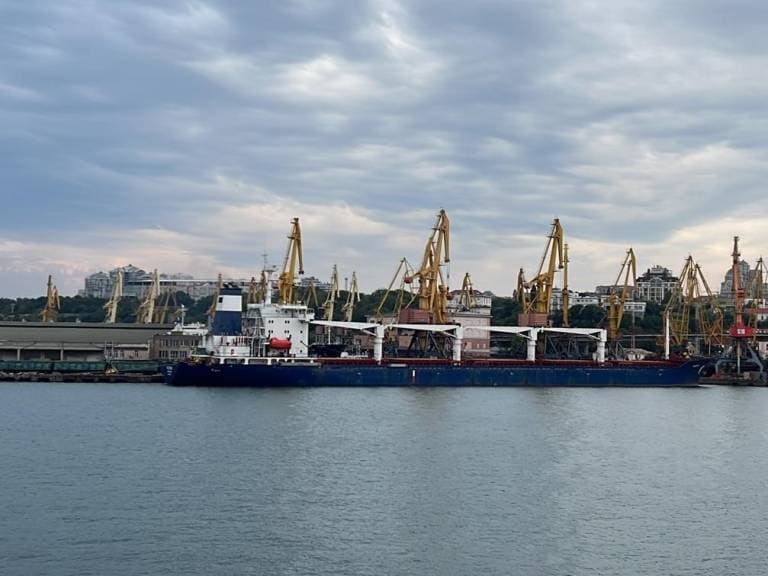
This step follows ongoing protests from farmers in both countries expressing their dissatisfaction with disruptions to their local markets. There are also protests against this in Romania. The issue will undoubtedly be discussed next week at the monthly meeting of the 27 European agriculture ministers.
The issue of Ukrainian export routes has previously caused a political crisis in Poland, where the Minister of Agriculture resigned in protest against the European Commission's refusal to take stronger action against the consequences of preferential treatment for Ukraine. The EU supports Ukraine in the fight against Russian aggression by exempting Ukrainian exports from tariffs and granting access to ports and transshipment stations.
Farmers in neighboring EU countries complain that Ukrainian food is not merely transshipped but purchased within their own countries, leading to reduced demand for their products. Last year, the European Commission awarded several tens of millions of euros in compensation to farmers in three neighboring countries, but this is considered insufficient.
Promotion
In response to the decisions by Poland and Hungary, Ukraine has expressed criticism and condemned the actions. According to Ukraine, there is no dumping involved, and imports of Ukrainian grain are based on fair trade agreements.
The issue of disruption in the grain market caused by Ukraine appears to be increasingly sowing division in Europe. The matter will undoubtedly be raised again next week at the monthly meeting of the 27 EU Ministers of Agriculture and Fisheries.
The European Commission has already stated that it believes there is no unfair competition and that Ukraine is complying with the rules.