

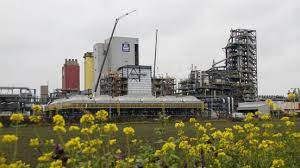
The European Commission concluded that the acquisition does not endanger competition in the EU, it said in a statement on Monday. There were protests from Austrian farmers against the planned purchase.
Originally, the fertilizer division was to be sold for 455 million euros to the Russian concern EuroChem. However, due to sanctions against Russia, this plan was abandoned and Agrofert was awarded the contract in a new tender.
The acquisition of Borealis by Agrofert is an important step in Agrofert's strategy to become the leading fertilizer producer in Central Europe. However, the deal is not without controversy, as Babis, the founder and former owner of Agrofert, is currently under fire for alleged conflicts of interest.
Promotion
The approval of the acquisition comes at a time when the European agricultural sector faces increasing pressure to become less dependent on fertilizer imports and to develop its own industry. This is partly due to Western sanctions against Russia, which also cause problems with Russian fertilizer exports to EU countries.
Several agriculture ministers emphasized last Monday that EU countries should be less dependent on fertilizer imports and should have their own industry. Others, however, say that agriculture should use far fewer chemical agents and that legislation on this is already in preparation.
Some even claim that chemical agents are 'old-fashioned' and that alternative solutions must be found. According to them, it is questionable whether industry consolidation is necessary to strengthen the European fertilizer industry, as there are also possibilities to reduce dependence on fertilizers by developing alternative methods for soil improvement and fertilization.