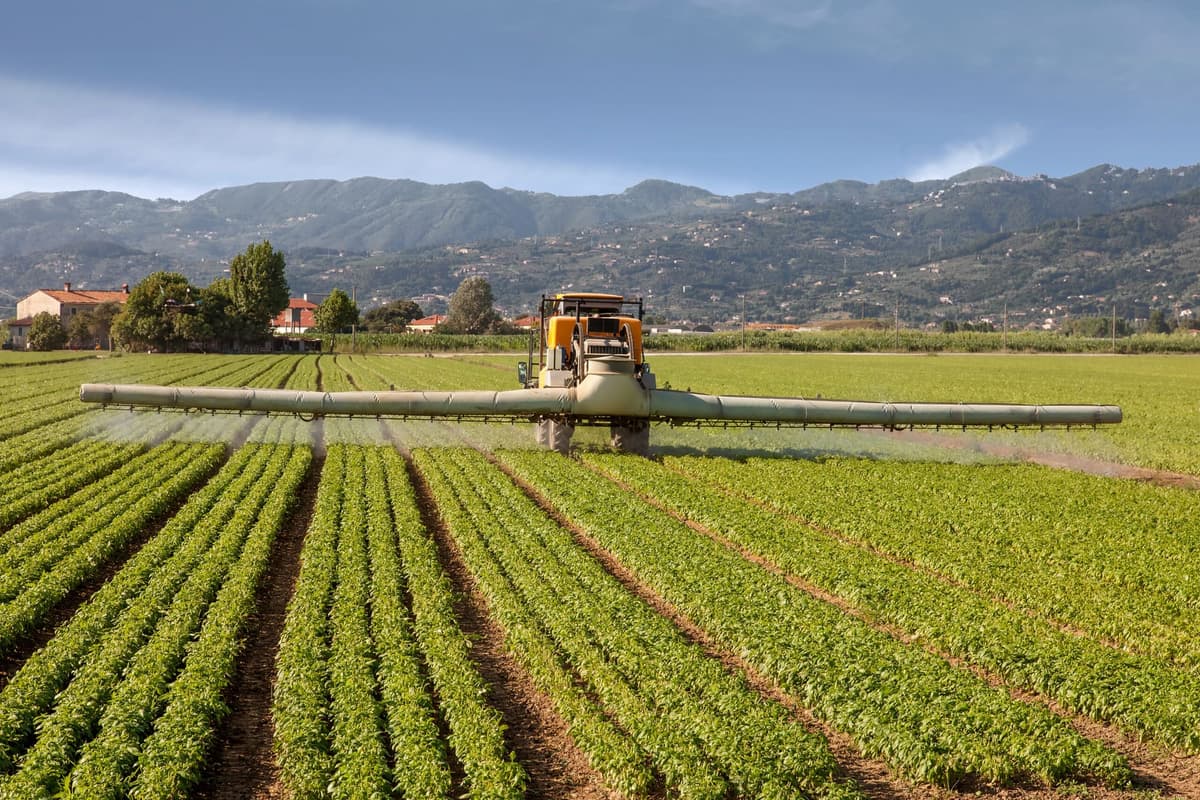
The Commission must make a decision before December 15. The proposal already includes a provision that farmers must take additional measures to prevent the pesticide from drifting, known as drift. EU member states can also decide themselves whether to implement a full or partial ban in their country: that then becomes their own political responsibility.
Glyphosate is controversial according to critics because there is still uncertainty regarding the risks to public health and the loss of biodiversity. Critics also find the approving assessment by the European Food Safety Authority (EFSA) leaves much to be desired.
It is not excluded that Brussels will propose some small adjustments, partly because next week both the agricultural ministers of the 27 EU countries and the entire European Parliament will meet to discuss several sensitive Green Deal issues. Glyphosate is one of them.
Several influential agricultural countries, such as France, Germany, and the Netherlands, again abstained from approval on Thursday. A few years ago, French President Macron advocated for a ban but later agreed to conditional use. France could still help secure a majority (and the much-desired political-administrative backing) for an EU proposal.
Behind the scenes, consultations are ongoing about the so-called ‘French variant.’ This essentially limits the extension to five or seven years, and links glyphosate use to a maximum amount per hectare. The European Commission's current proposal already includes provisions allowing EU countries to add their own additional rules for glyphosate use, such as use in or near nature reserves.
According to Dutch Member of the European Parliament Bas Eickhout (GreenLeft), the EFSA assessment shows gaps in the available data regarding impacts on humans and animals. There are indeed risks associated with various forms of use. “You cannot simply approve it then,” Eickhout said.
The Dutch outgoing Minister of Agriculture, Nature and Food Quality, Piet Adema, previously indicated that he/the Netherlands will immediately use the option of a national ban if new (scientific/medical) research shows that there are indeed risks to human health.