

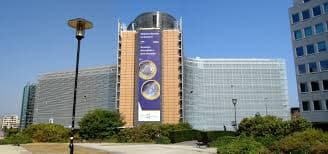
The European Commission plans to completely ban the use of chemical pesticides in parks and nature reserves, and reduce their use by half across the rest by 2030 at the latest. Reportedly, the EU Commissioners for Environment and Climate, Agriculture, and Food Safety will announce a revision of current EU pesticide regulations in March.
Since this reduction is already part of the Farm to Fork food strategy, the key outstanding question is whether the halving should be legally binding in an EU directive or more flexible in annual strategic plans.
According to a version leaked via Euractiv, Timmermans, Wojciechowski, and Kyriakides are aiming for a combination: the halving becomes binding, but countries may temporarily deviate downwards under certain conditions. Also, chemical pesticides may still be used during some limited periods, as can be inferred from the leaked wording.
Promotion
The European Commission says these steps are necessary because several EU countries have done too little in recent years to reduce the use of chemical agents. The EU must switch to a fair, healthy, and environmentally friendly food system, it is emphasized.
Plans to reduce pesticide use can only succeed if there are alternative pesticides available for agriculture and farmers have access to alternatives, including new genetic modification, said Norbert Lins, chair of the EU Parliament's agriculture committee, last week. The new regulation, especially if legally binding, will need approval from both the European Parliament and the 27 agriculture and forestry ministers.
Since their recent appointments, German Agriculture Minister Cem Özdemir and Environment Minister Steffi Lemke have repeatedly expressed support for reducing pesticides. French Agriculture Minister Julien Denormandie, who currently holds the EU presidency, has repeatedly stated that he wants to resolve the pesticide dossier this year.