

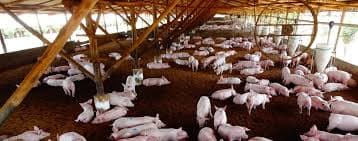
The Agriculture Committee of the European Parliament hopes on Tuesday to hear from the European Commission whether and how Brussels will support the pig industry.
European pig farmers are facing one of their most severe crises, but EU Commissioner Janusz Wojciechowski is so far unwilling to intervene directly. He remains convinced that the sector will find a way out on its own.
The European Commission, which has been warned for months by member states about the difficult situation, promised last week that Wojciechowski will present a catalog of possible measures by the end of January at the latest. However, he has so far ruled out intervention through additional European subsidies.
Promotion
In recent years, African Swine Fever and the coronavirus pandemic have caused massive overproduction of pork in many EU countries, resulting in correspondingly low prices. The overproduction has recently surged further as pork exports, especially to Asian countries, have largely come to a halt again.
During the current Omicron wave, a significant portion of staff at many slaughterhouses is absent due to illness or quarantine. This has created a bottleneck in slaughtering and cutting, leading to a backlog of slaughter-ready animals on local farms.
In the Italian region of Piedmont, reports of wild boars infected with African Swine Fever are also increasing. The UN World Organisation for Animal Health already speaks of 15 infected wild boars.
The infection cases extend across an area of about 300 square kilometers. Piedmont has requested the government to allocate 100 million euros for affected businesses. At the same time, efforts are underway to demarcate the infected zone.
The Italian government is now setting aside 50 million euros to protect pig farms from the risk of African Swine Fever infection. Over the past weekend, hundreds of people searched the infected area for wild boar carcasses. Regional media are calling for a national plan to eradicate an estimated 50,000 wild boars annually in Piedmont.