

European Agriculture Commissioner Wojciechowski will present proposals for a European fertilizer strategy later this month. During a debate in Strasbourg on Thursday, he did not reveal details but said his proposal “will cover both the internal EU and international dimensions, and will also address the aspects of food security and the environment.”
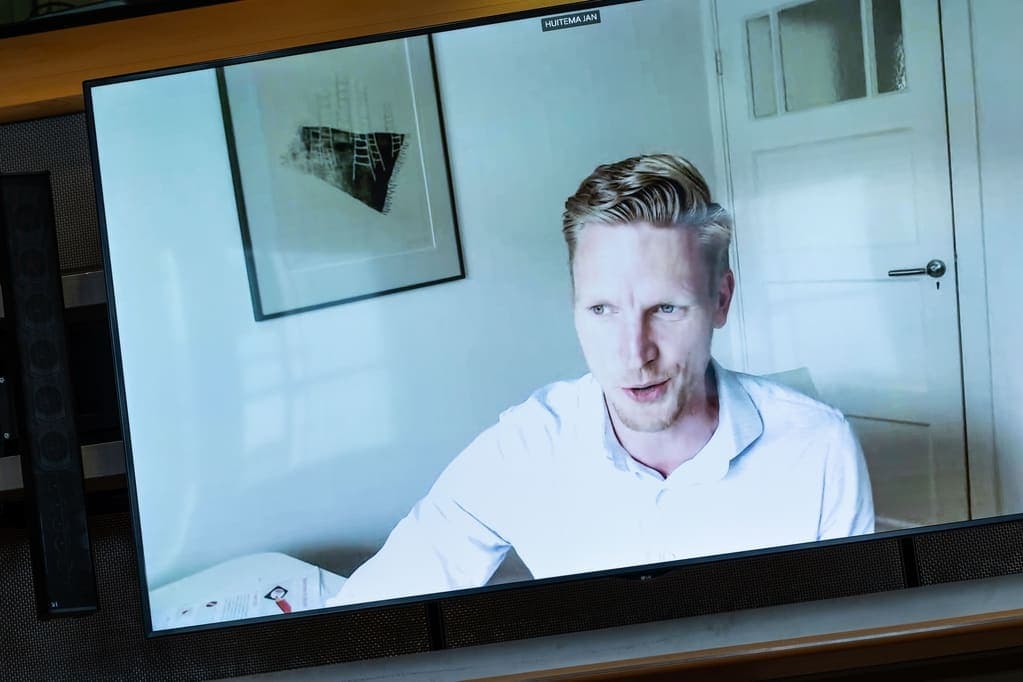
Dutch MEP Jan Huitema (VVD, Renew Europe) reminded Wojciechowski of earlier commitments to allow new, non-chemical agricultural inputs. ‘It is high time for the European Commission to look at alternatives to fertilizer to make agriculture circular.’
He emphasized that fertilizer is essential for food production. At the same time, it is one of the largest CO2 emitters. According to Huitema, the key lies in the nutrient cycle whereby animal manure is processed in dried form to be suitable as a growth enhancer.
Promotion
Flemish MEP Tom Vandenkendelaere (CD&V) also referred to the earlier plea by 19 EU politicians calling for easing EU regulations to enable ‘menure in nature’. Commissioner Wojciechowski made no promises but stated “that the use of animal manure will play an important role.”
It is not yet clear whether the European Commission will respond to the earlier French-Spanish plea for a dedicated European fertilizer industry, to reduce dependence on Russian imports. Wojciechowski did say “that the European industry can be made less dependent on external sources, and that farmers can also become less dependent on fertilizers.”
Due to Western sanctions against the Russian war in Ukraine (gas and oil boycott), many fertilizer industries have been forced to stop their gas-powered production. This will soon also affect the final prices of food products. The Norwegian fertilizer company Yara called on the European Union yesterday to quickly take control of the situation.
Wojciechowski warned that safe food supply in Europe cannot be based on importing necessary mineral fertilizers. Above all, the great dependence on mineral fertilizers from Russia and Belarus is a thorn in the side of the European Commission.