The European Commission has published stricter rules to reduce air pollution from large companies. Mega farms, waste incineration plants, and chemical factories must all comply with tighter emission standards.
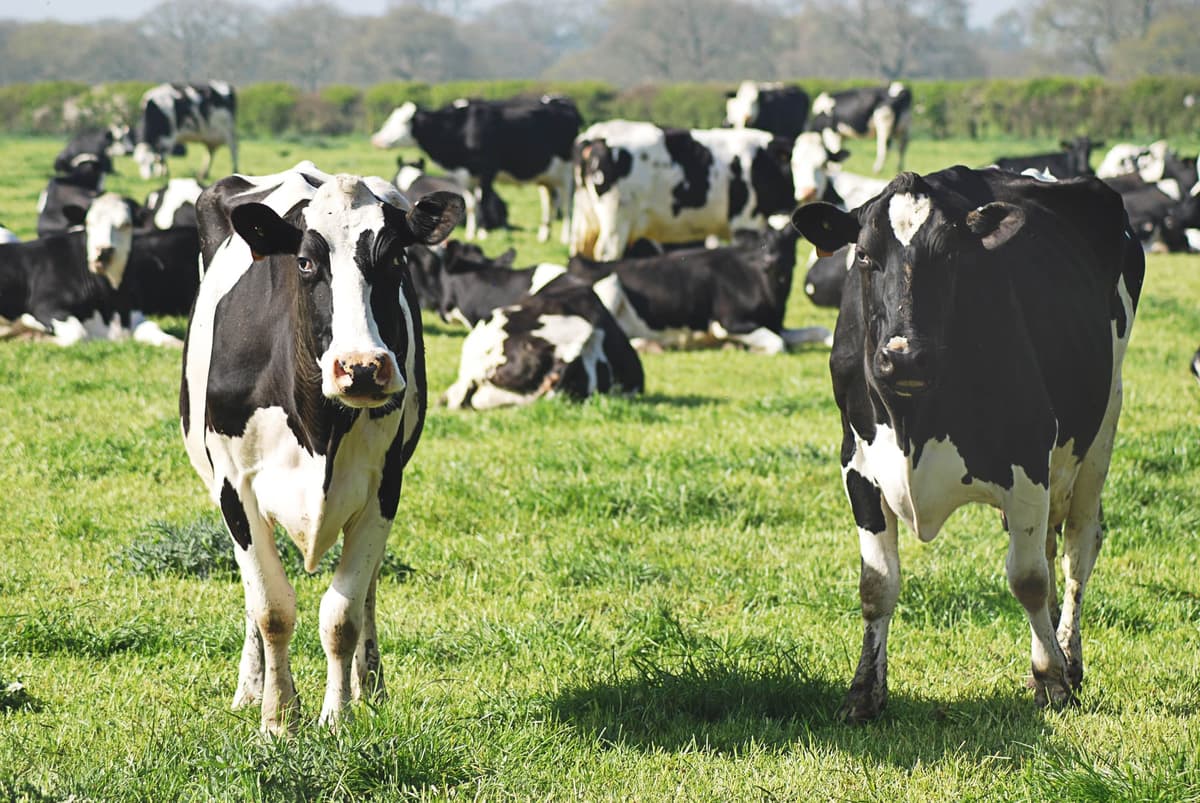
For the first time, large-scale livestock farming also falls under these rules, along with intensive pig and poultry farming.
The new directive from Environment Commissioner Sinkevicius and Climate Commissioner Timmermans sets stricter limits for more than 80 pollutants. The previous directive resulted in emissions reductions in the EU since 2004 from large combustion plants of sulfur dioxide, nitrogen, and particulates by 77%, 49%, and 81% respectively.
The new law applies to more than 50,000 industrial installations throughout the European Union. The directive requires companies to use the best available techniques to cause as little environmental damage as possible. This means that about three-quarters of methane and ammonia emissions from livestock are now included in the European Climate Plans.
According to EU politicians, the Netherlands already complies well with the current directive, especially in intensive livestock farming. The Netherlands is a frontrunner within the EU in low-emission stables. The 2,150 pig and chicken farms that fall under the directive in the Netherlands are expected to be minimally affected by the new rules.
Dutch Member of the European Parliament Bas Eickhout (GreenLeft) calls the new directive crucial for all European environmental goals, such as air quality. ‘Until now, agriculture has mostly been exempt from these kinds of rules against air pollution, but that can no longer continue. The Commission is now taking an important step by more firmly addressing part of the livestock sector.’
PvdA member Mohammed Chahim, vice-chair of the Environment Committee of the European Parliament, responds positively to the tightened directive. “The previous directive dated from 2014; much technology has since become outdated. If we want to meet climate goals, industry must work with the best technologies.”
Negotiations on the proposals will first take place between the European Parliament and EU countries, who will likely reach a deal early next year. After that, the final legislation will come into force.