

The foreign ministers of the EU countries have agreed on a new European sanction and fine system. This makes it possible to take earlier legal and financial action against countries that do not comply with European rules. The package is designed to have punitive measures that can be deployed earlier and faster.
The immediate trigger for these sanctions were the Polish government attempting to dismiss troublesome judges, and the Hungarian government imposing restrictions on international organizations. The EU had the 'heavy' measure of suing countries at the European Court of Justice, but such processes take years. Now the EU has introduced the subsidy measure, allowing countries to be punished by (temporary) withdrawal of subsidies.
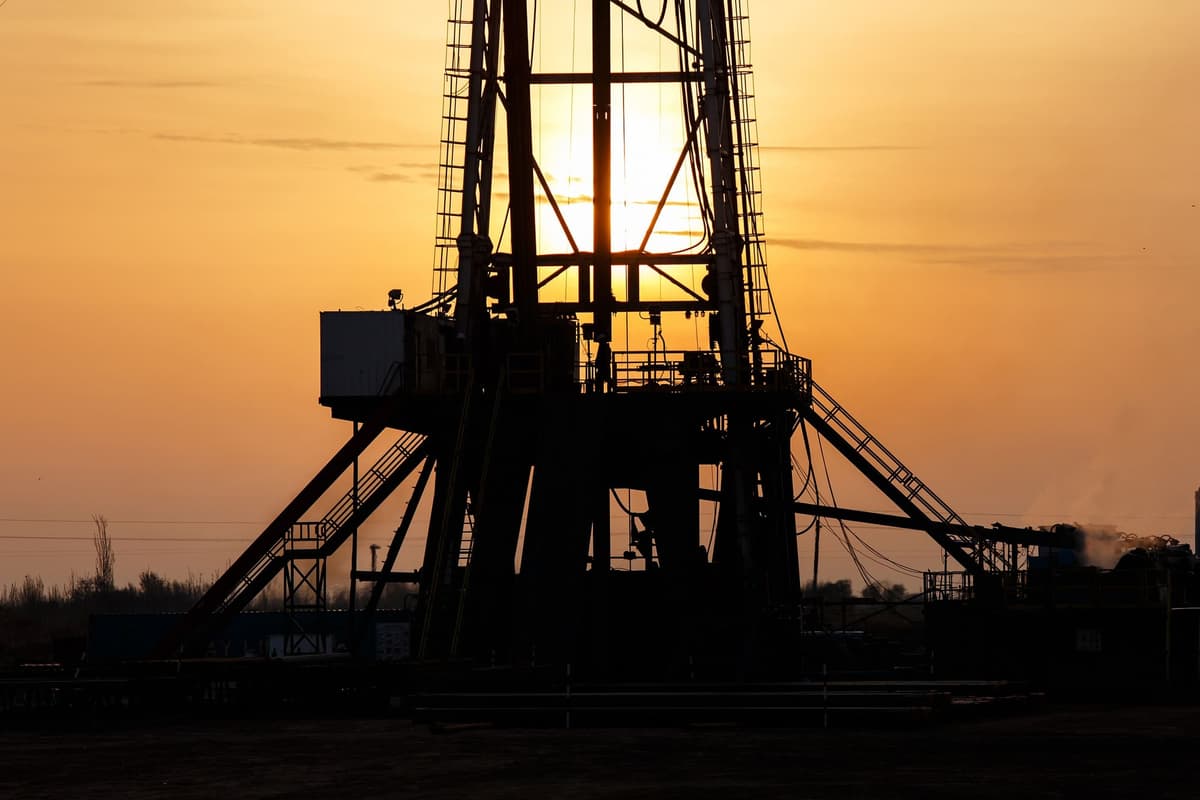
Additionally, the EU can now block bank assets of persons cooperating in anti-European actions. By adopting this new set of punitive measures, the EU will likely take its first action against Turkey soon. That country is conducting exploratory drillings for gas and oil off the coast of Cyprus.
Promotion
All of Cyprus is an EU member. The Turkish Republic of Northern Cyprus consists of the area occupied by Turkey in 1974, but it is recognized as a state by almost no one. However, Turkey claims it is acting within its rights with the drilling activities. It reasons that the seabed there is part of the Turkish mainland or that Turkey is drilling for gas in the interest of Northern Cyprus, according to Ankara.
The EU is now one step closer to sanctions against Turkey because of the gas drilling that that country is doing off the coast of the Turkish part of Cyprus. The EU has repeatedly called on Ankara to stop provocations in the territorial waters of Cyprus. "We all stand behind Cyprus," said Dutch Minister Stef Blok last summer. Minister Blok did not want to comment on when these new punitive measures could be implemented.