

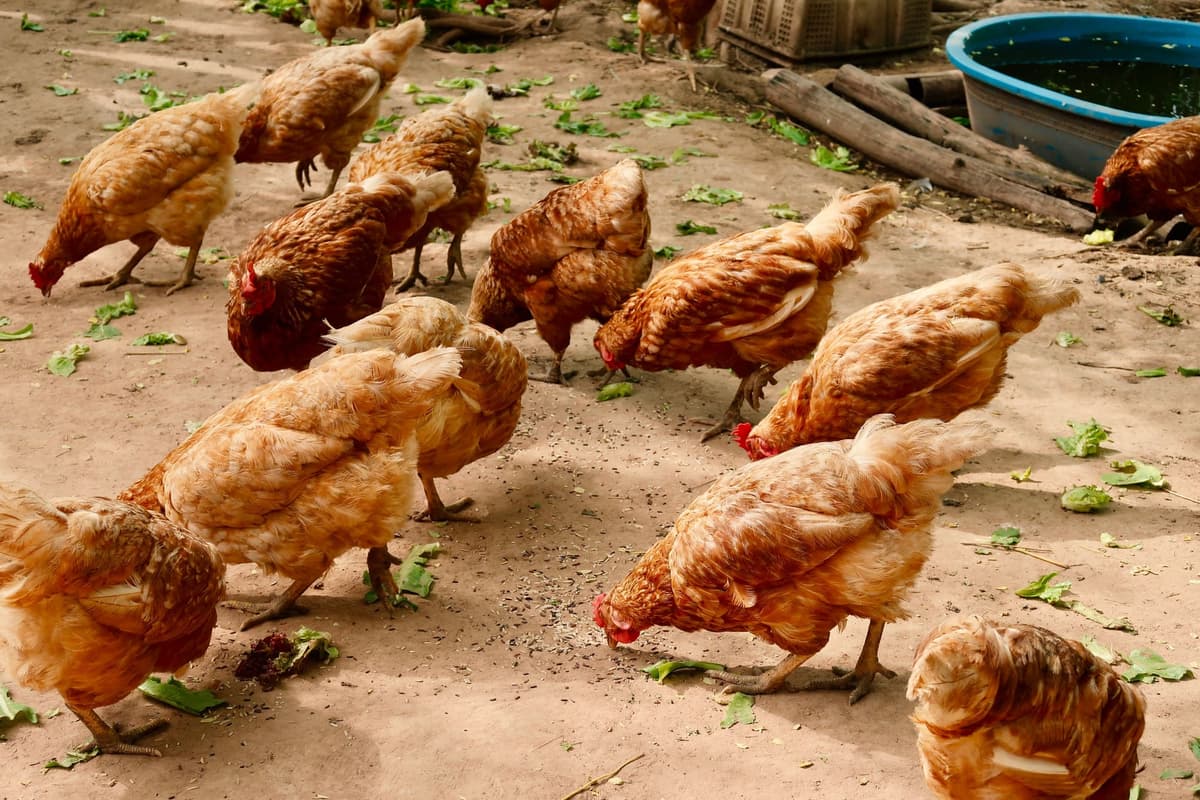
One of these changes is allowing free-range hens to be kept under a canopy of solar panels, while their eggs retain their free-range certification.
Current EU regulations prohibit the installation of solar panels in the free-range area due to concerns about possible risks to the animals. However, solar collectors can provide protection against birds of prey and allow the hens to enjoy cooling and shade on hot days.
Additionally, this change could also contribute to the energy transition in agriculture. In organic poultry farming, solar panels can already be used.
Promotion
EU countries apply the restriction on using free-range areas for ‘other purposes’ differently in the current trade standards. In the Netherlands, solar panels in the free-range area are not permitted, whereas in some parts of Germany they are allowed, for example on up to 20% of the area.
The European Commission has now opened a short administrative consultation process for EU countries and the European Parliament. If no objections are raised, the changes could come into effect quickly. In that case, a new provision will also be introduced regarding the stamping of eggs, which will in the future have to be done at the poultry farm itself.
It is not yet clear what rules will apply for this. On-site stamping improves the traceability of eggs, which can help with recalls if something goes wrong.
Dutch Member of the European Parliament Bert-Jan Ruissen (SGP) calls it a win-win situation for free-range hens, high-quality fresh eggs, and green energy. As early as 2019, he submitted written questions to the European Commission about covering the free-range area with solar panels. Ruissen cited reducing the risk of avian flu as a compelling interest. According to him, ground vegetation and the accessibility of the free-range area for hens are not obstructed by this.
The European Commission also wants to adjust trade standards for the packaging of vegetables, fruit, and meat. It is proposed to limit the use of disposable plastics in the food and beverage industry and reduce packaging for fruits and vegetables. The currently proposed changes will likely lead to higher production costs, which may ultimately result in higher prices for consumers.