The European Commission also has not yet taken a stance on banning the keeping of animals in cages, but will first request an expert opinion from EFSA on the matter. The same applies to a ban on breeding fur animals. This means these two issues will be postponed beyond the European elections and passed on to the new European Commission.
Animal rights organizations point out that both topics were the subject of a successful European citizens’ petition in which millions of residents called for such bans.
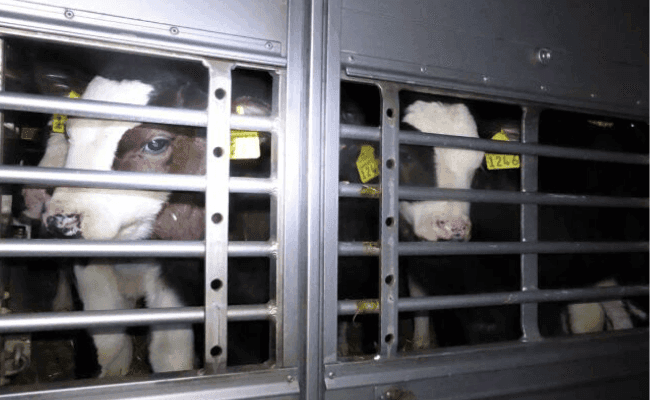
Livestock transporters will be given another five years to adapt their trucks to meet new size requirements. The standing height must be increased and the floor space per animal must be larger. According to Copa-Cogeca, the European umbrella organization for the agricultural sector, this requirement is virtually unaffordable for the transport sector.
However, the Commission partly responds to criticism about "the dragging of live animals across Europe" en route to slaughterhouses. Trips for slaughter transport will be limited to a maximum of nine hours. With this, Brussels aims to restrict animal transport.
For other (export) transport, the Commission proposes a maximum travel time of 21 hours per day, with at least one hour of resting after ten hours. After those 21 hours, the animals must be able to rest outside the truck for a day before the journey may continue for another maximum of 21 hours.
The European Commission also wants to regulate professional breeding of dogs and cats at the European level for the first time. Pets will be required to have a chip and be registered. This will not apply to stray animals.
Dutch Member of the European Parliament Anja Hazekamp (Party for the Animals) calls the revised rules "very disappointing." "If these become the new rules, the horrific transports by ship, truck and even plane will simply continue. Even long-distance transports to the Middle East and other remote parts of the world remain possible under the new rules," Hazekamp says.
The proposals still need to be approved by the European Parliament and EU member states, likely no earlier than 2025.