

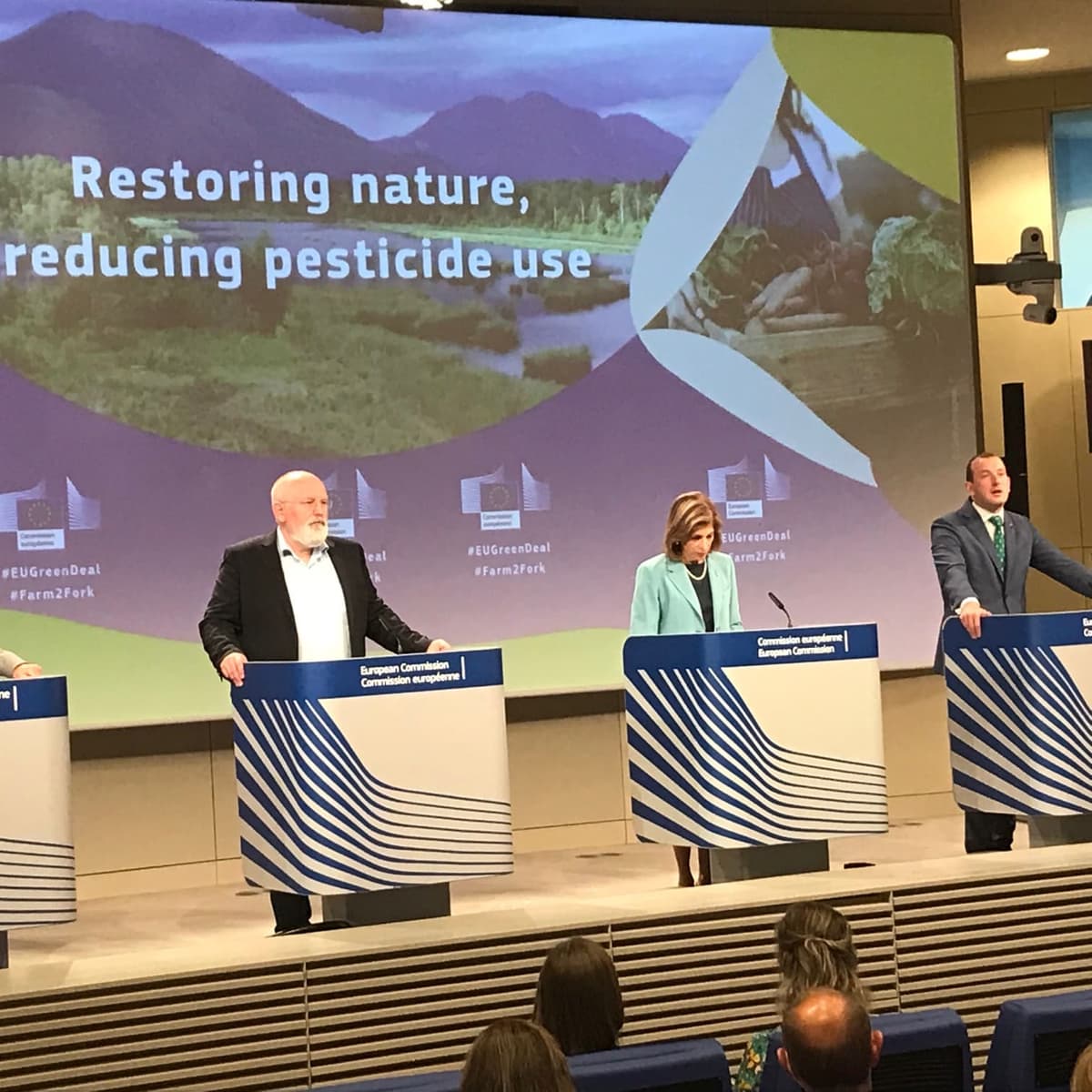
The German Environment Agency believes that parts of the European Commission's new fertilizer plans need improvement. For example, more financial support for agricultural businesses should be provided, funded through an EU-wide pesticide tax.
According to a study by the German environmental officials, adjustments are necessary to make the EU proposals truly effective. Germany will now introduce these conditions in the upcoming trilogue negotiations of the European decision-making process.
The Environment Agency advocates establishing 'pesticide-free' areas within EU countries; about ten percent of the total area in eight years – without pesticides or fallow land – and excluding grassland.
Promotion
In that case, the currently criticized requirement to reduce the use of chemical agents could almost be eliminated. To monitor success, EU member states must register such chemical-free zones as part of their national action plans.
The German environmental officials also raise questions about the vague description of the areas where no chemicals may be used at all. The Agriculture Ministers and Agriculture Committee have already made remarks on this. The question is whether the total ban applies only to heavily frequented parks and green spaces, or also to nature areas with agricultural secondary use.
“Although the extensive restrictions on pesticides in many protected areas envisioned in the Commission’s draft are scientifically necessary, a transition period is needed for a successful shift,” it states.
Furthermore, the German environmental officials – like several other EU countries – want a better and clearer distinction between ‘hazardous’ chemicals and less vulnerable variants. There should also be better zoning of different types of areas. The Commission’s proposal reportedly does not sufficiently account for varying risks to humans and the environment.
According to the report, support could be expanded by adequately assisting agricultural businesses. Member states should be required to establish appropriate financial budgets in their annual plans, for example in the form of a state fund. The costs incurred could be refinanced through an EU-wide pesticide tax.