

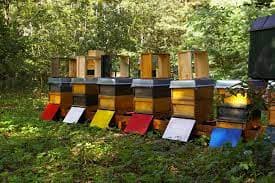
The signatories also want biodiversity on agricultural land to be restored and for farmers to be financially supported during a transition period to agro-ecological farming.
The European Commission has welcomed the European Citizens' Initiative (ECI) “Save the bees and the farmers!”, but believes that current EU plans (halving chemicals in agriculture and horticulture) are sufficient for now.
“The success of the citizens' initiative clearly shows there is broad public support for measures for pollinators, biodiversity, and sustainable agriculture. The Commission therefore calls on the European Parliament and the EU governments to quickly reach an agreement on the protection and restoration of European pollinators,” said the Commission.
Promotion
The Commission's proposal for the use of plant protection products includes a plan to limit the use of chemical plant protection products and the resulting risks. The Commission has proposed reducing the risk and use of chemical plant protection products by 50% by the year 2030.
According to the latest research in the EU, one in three species of bees, butterflies, and hoverflies is declining, while 80% of crop species and wild flowering plant species depend on pollination by animals. Half of the agricultural land in the EU is already at risk of a pollination deficit.
According to the citizens' initiative, the European Commission is aware of the importance of biodiversity and has submitted good legislation in recent years. However, they believe more ambition is needed, such as a ban on pesticides. According to the organization, many European and national politicians listen too much to the lobby of pesticide producers.
The European Citizens' Initiative was introduced to give EU residents greater influence over European legislation. It has been in force since 2012.