

The Farm to Fork strategy should not lead to less agricultural production in EU countries and thereby result in more food having to be imported. Therefore, food imports must meet the same criteria as domestic products.
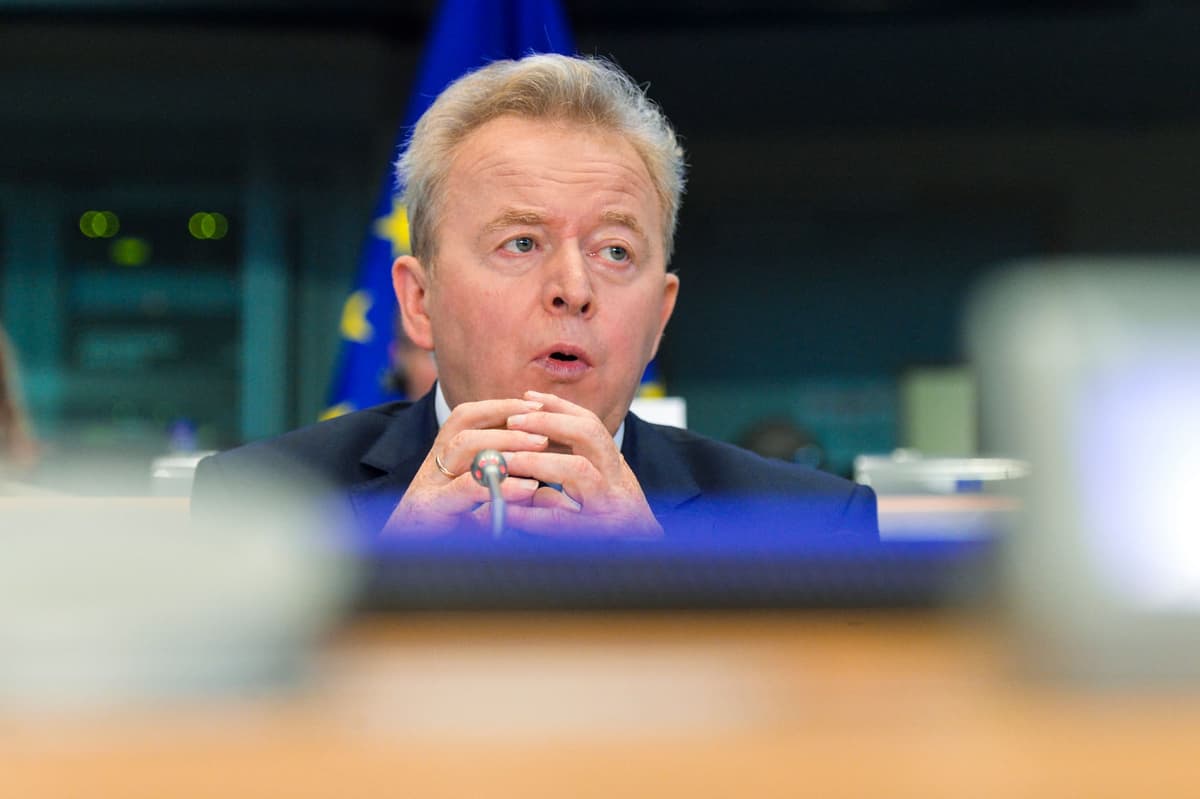
Several agriculture ministers made this clear once again on Monday at their monthly meeting in Brussels to Agriculture Commissioner Janusz Wojciechowski. Several ministers also pressed for a delay in submitting their national strategic plans, as they still claim to lack clarity on the matter.
With such strategic plans, EU countries can demonstrate how their agriculture and livestock farming contribute to achieving the Climate and environmental goals of the Green Deal. Reportedly, some countries do not want to draw up any strategic plans at all.
Promotion
The final declaration of the ministers' meeting made no mention of the repeated request to postpone the strategic plan rules. This usually means the issue was discussed but no agreement was reached and the chair could draw no conclusions. It also typically means that the European Commission can continue on its current course.
Agriculture Commissioner Janusz Wojciechowski already stated last weekend: "Nowadays, strategic plans are the most important element in the agricultural debate. The Green Deal does not give rights or obligations to farmers. There is no and there will be no 'Green Deal' law.
Each country will have a Strategic Plan, and in it, decisions will be made per country about the future of farmers and everything most important to them." The European Commission refuses to consider postponements. However, Wojciechowski has said he will be 'flexible' on the submission deadline for some countries.
The Netherlands has already initiated the strategic plan process with some pilot projects, but other countries are only now starting. In Germany, the new 'traffic light coalition' could still throw a wrench in the works with stricter requirements.
Interim Minister Julia Klöckner has already indicated that she will no longer make CAP decisions. France says not all 'provincial governments' have agreed yet. This is partly a result of the abandonment of uniform agricultural rules across the entire EU.
The intention is that the full European Parliament will definitively adopt the modernized CAP later this month so it can officially take effect on January 1, 2023.
With the new CAP, Brussels gives EU countries greater freedom in setting the criteria for distributing their agricultural subsidies. Due to uncertainty about the subsidy amounts for eco-schemes, it remains unclear how many farmers will participate.