

Germany, Denmark, the Netherlands, Norway, and Sweden officially notified the European Chemicals Agency (ECHA) two years ago that they want a ban on 'forever chemicals' such as PFAS…
Denmark is now going to implement a ban itself, after residues of the non-degradable chemicals were found last year in Danish eggs, probably caused by contaminated chicken feed.
PFAS pollution has been major news in Denmark for months after the national Ombudsman reported earlier this year that authorities had done barely anything for years to counter the increasing pollution. According to the Ombudsman, these authorities may also be held partly liable for the health risks.
Promotion
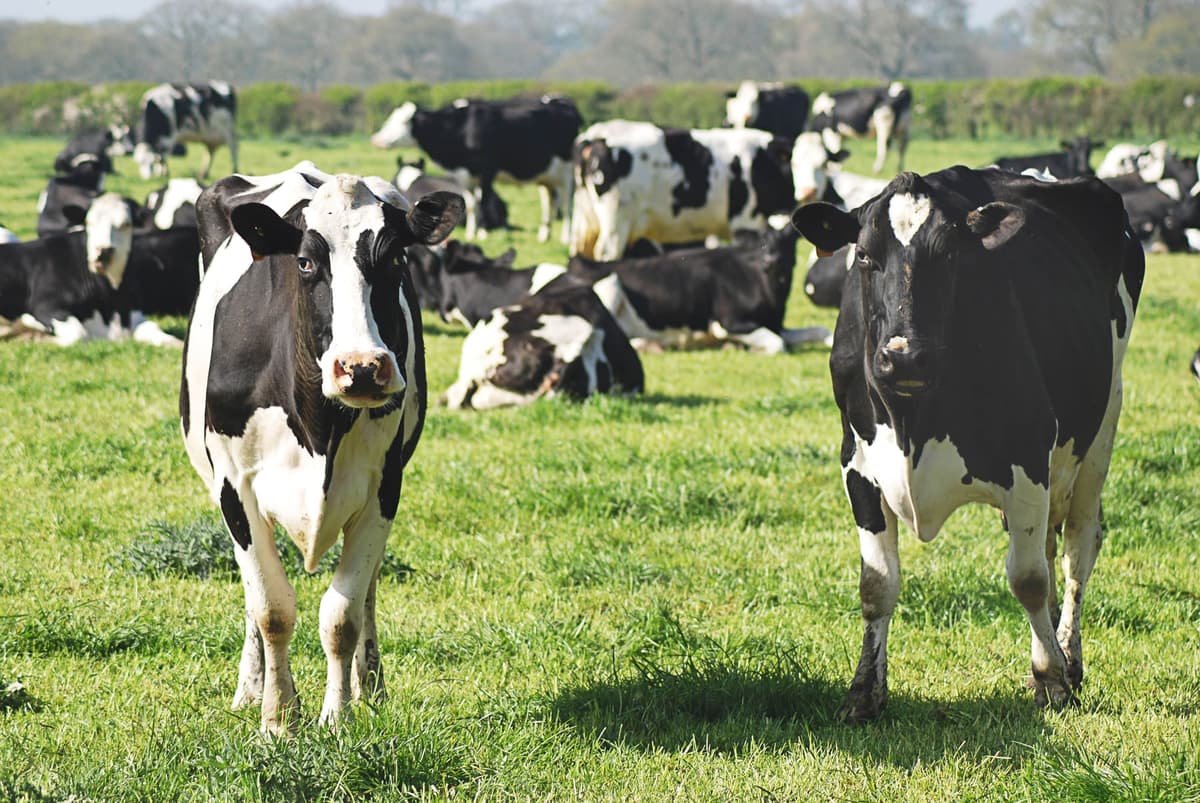
Additional research has shown that PFAS also accumulates in grass and livestock. In response, Danish nature reserve managers and the Ministry of Defense terminated lease contracts with dozens of livestock farmers last week, fearing they will be held responsible.
This has major consequences for the respective farmers, as they now lack access to these lands to graze their livestock. This concerns thousands of hectares.
“We do not take any risks regarding possible PFAS contamination of our food. That is why we are temporarily stopping grazing livestock in several national nature areas. We will maintain this until we know more about how contaminated parts of these specific areas truly are,” said Environment Minister Magnus Heunicke. The nature agency is now investigating together with the relevant authorities what should be done with these areas.
The Danish ban applies not only to agriculture and the food industry but also to the processing of PFAS chemicals in packaging and children’s toys. PFAS substances are useful in many products and are, among other things, used to impregnate rainwear to make it water-repellent.
In the Netherlands, the issue of chemical company 3M in Zwijndrecht has been ongoing for several years, with increasing evidence that polluting substances are entering the soil and possibly also the drinking water. In the Provincial Councils in Middelburg and Den Bosch, the looming groundwater problem is also already on the agenda.