

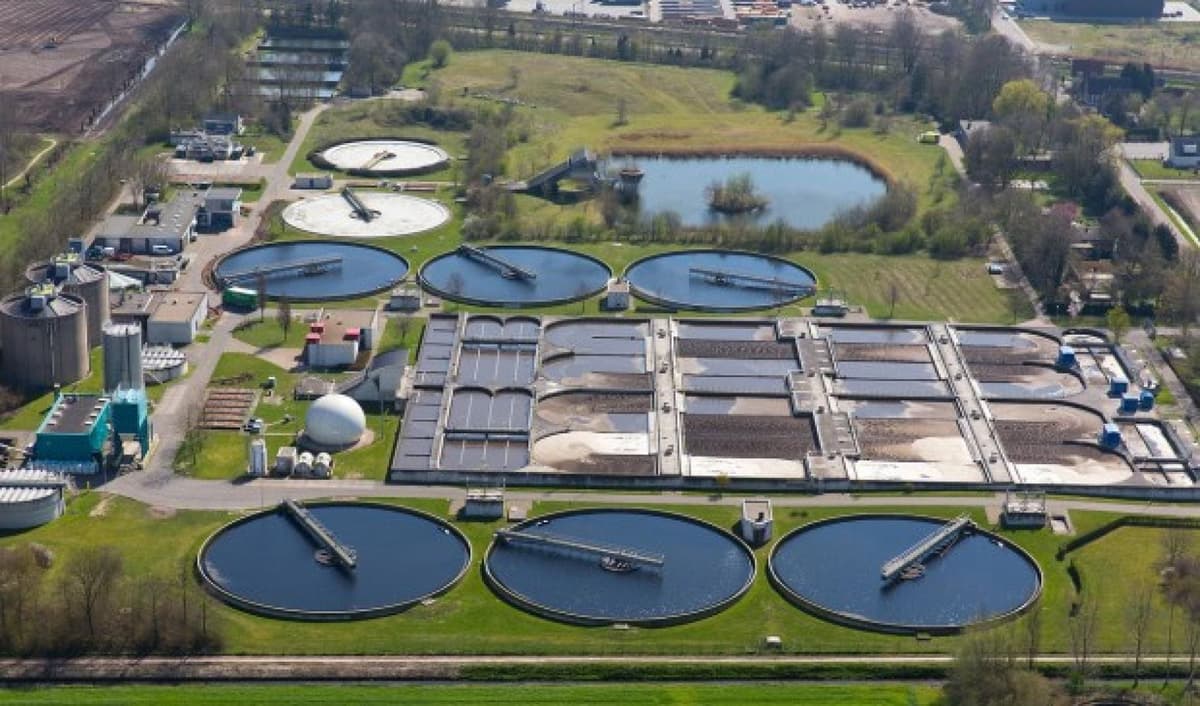
In doing so, the environment ministers deviate significantly from the proposal of the European Commission, and from the European Parliament which actually wants more.
For example, the ministers want the obligation to build a treatment plant not to apply to small villages and regions with fewer than 1250 inhabitants. Environment Commissioner Virginius Siskevicius wants more areas to be obliged to implement treatment.
On the other hand, the ministers believe that consideration should be given not only to the natural environment and ecological benefits of cleaner water but also to public health. Therefore, the obligation for EU countries to monitor wastewater for the presence of pathogens, infectious bacteria, and hazardous chemicals is now included. This means other Commissioners will also have input on the matter.
Promotion
Moreover, the ministers want the newest EU member states to be granted an eight to twelve year extension because they have already had to make significant investments in recent years to implement the EU directive.
Within twenty years, member states must ensure that so-called tertiary treatment (removal of nitrogen and phosphorus) is applied at large installations serving 150,000 inhabitants. An exemption is foreseen when treated wastewater is reused for agricultural irrigation, provided there are no risks to the environment or health.
"Water is a precious resource that is becoming increasingly scarce. Urban wastewater can be successfully treated with available technology," said Environment Commissioner Sinkevičius. According to him, this opens many opportunities for farmers who can safely use recovered water for irrigation.
The EU says that more than 40,000 million cubic meters of wastewater are treated annually, but only 2.4% of that receives such post-treatment that it can be used in agriculture. That is one of the reasons why Brussels wants to tighten the criteria.