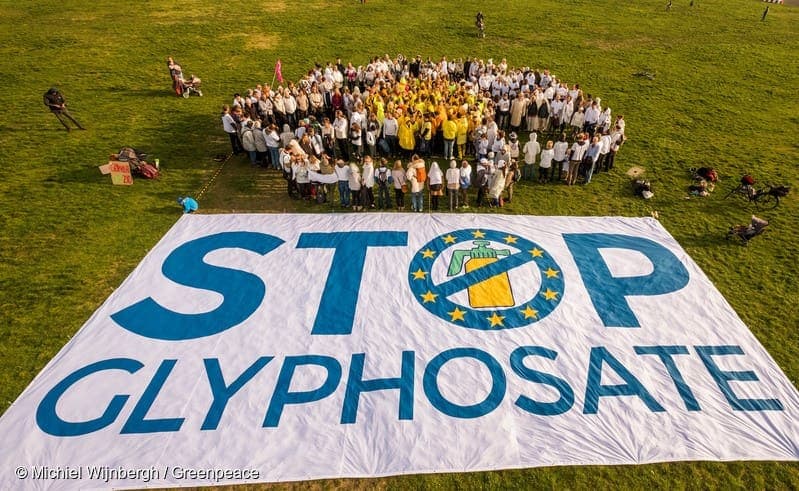
Austria has now also publicly spoken out against the extended approval of glyphosate in pesticides used in European agriculture. This announcement comes shortly after Germany reported earlier this week that it will vote against such a decision, despite divisions within the German coalition government on this issue.
The pressure on governments of various EU countries to take a stance on this has increased recently. This has led to speculation that the EU Agriculture Ministers may abstain from voting on October 12, potentially delaying a final decision.
Austria’s announcement that it will vote against extension is due to their organic farming policies. However, the German position is not yet clear-cut. While the government has formally announced it will vote against glyphosate, divisions remain within the coalition government. The Greens have consistently opposed the use of glyphosate, while the CDU Christian Democrats and the FDP Liberals are more cautious.
Governments of other EU countries are also under increasing pressure to declare their stance. France is known to have initially supported a complete ban, but President Macron has backtracked. Last week, reports from the Élysée Palace indicated that France will not vote against full use but is aiming for a ‘more than halving of glyphosate use.’
In the Netherlands and Belgium, the use of glyphosate is banned for individuals but not in agriculture and horticulture. In Portugal, its use is banned in public spaces. In the Czech Republic, it has been restricted since 2019 but not banned. Germany plans to ban glyphosate by the end of 2023.
It is known that a majority of the Dutch House of Representatives opposes glyphosate, but the caretaker Minister of Agriculture, Piet Adema, has not yet taken a position: he is awaiting a technical advisory report.
The situation within the EU is further complicated by the fact that both acceptance and rejection of glyphosate require a so-called “qualified majority.” This means that at least 55% of the EU countries, representing more than 65% of the EU population, must agree on the decision.
The Agriculture Ministers of the EU member states will discuss this issue on October 12. Whether they will reach a consensus or abstain from voting and postpone the decision remains an open question.