

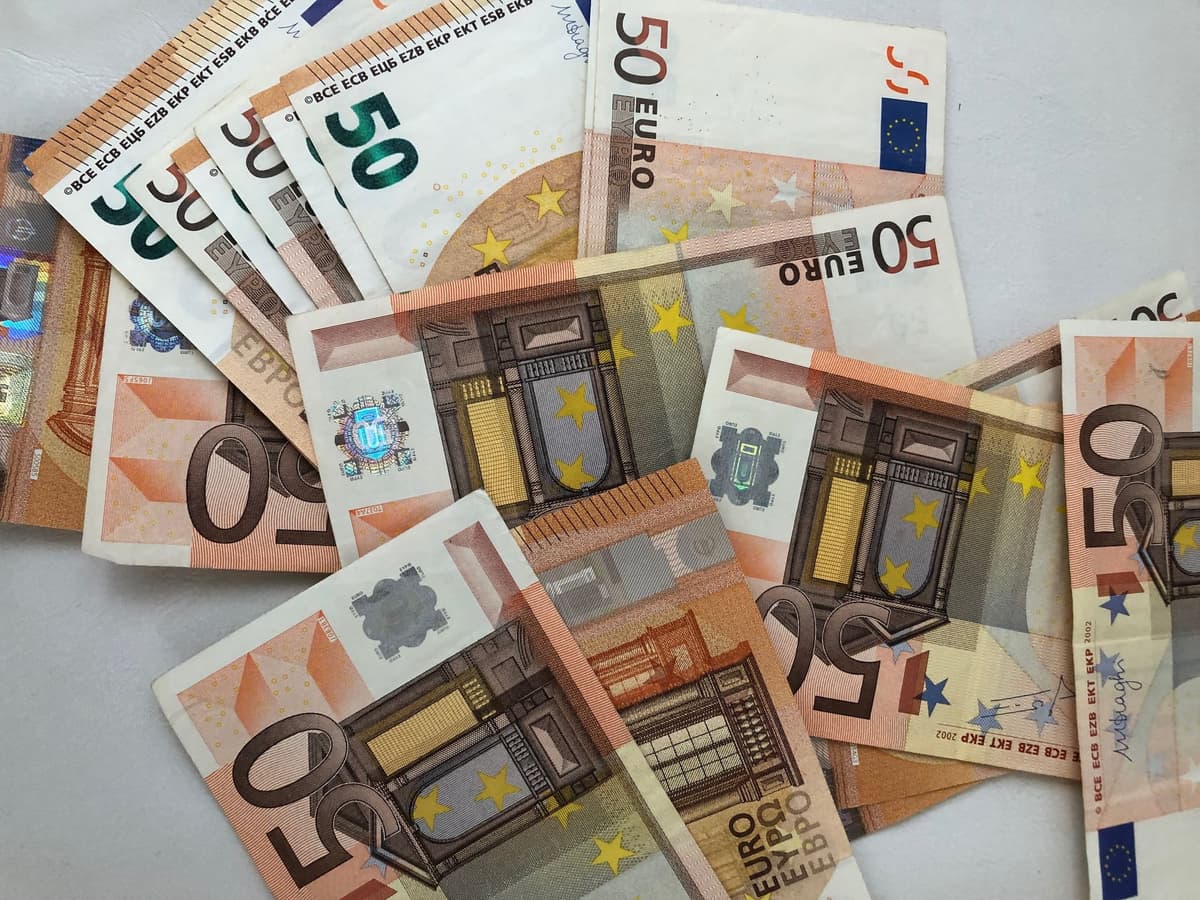
The EU Finance Ministers have reached an agreement in Luxembourg on establishing a separate stimulus fund for EU countries that use the euro as their currency. The currently proposed fund is a watered-down version of the earlier larger plans by French President Macron, who wanted a large fund outside the EU budget and outside EU decision-making.
Negotiations on the form and financing of the Budgetary Instrument for Convergence and Competitiveness (BICC), as the budget is officially called, have lasted nearly two years. The instrument is intended for structural reforms and investments to strengthen the eurozone, but it is emphatically not a 'eurozone budget'.
Dutch Finance Minister Wopke Hoekstra has opposed a separate funding stream for eurozone countries from the start. Furthermore, it was not clear where that money would come from today. According to Minister Hoekstra, "good steps have now been taken in Luxembourg towards better spending of EU money by linking the budget to reforms."
Promotion
Negotiations on the size of the 'pot', which will be financed from the European multiannual budget for 2021 through 2027, are yet to begin. But it is expected that no more than 20 billion euros will be available over seven years for the nineteen euro countries. Agreements have also been made about access to the money for non-euro countries.
There also seems to be some progress on the EU-wide introduction of an 'internet tax' that France already implemented earlier this year. After failing to reach agreement within the EU, the French decided to implement it themselves. Now Italy has announced it will introduce a tax on 'cross-border profits.' According to Italy, tax must be paid in the country where the turnover and profits are generated.
EU countries that hesitated about introducing such a new digital tax previously stipulated that such a step should apply worldwide, and only if that fails should the EU implement it. Just this week, the accountants of the OECD announced that such an internet tax is possible.