

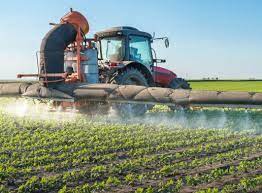
Agriculture ministers from various countries that have already significantly reduced chemical use in recent years are also demanding a lower target.
The supplementary study examined the effects of reducing pesticides on various crops in agriculture. While the research showed some positive results, such as a potential decrease in environmental damage, other findings pointed to negative impacts on the cultivation of grapes and fruit. It will hardly affect grain harvests.
Several EU countries fear that halving pesticide use could increase crop vulnerability to diseases and pests. These countries advocate for a more gradual transition, combined with approval of new nature-friendly herbicides that do not compromise yields.
Promotion
On the other hand, there are also EU countries that welcome pesticide reduction. They reiterated on Tuesday at the Agriculture Council in Brussels the urgent need to protect biodiversity and limit negative effects on humans and the environment. These countries, including the Netherlands, call for a swift and ambitious approach to accelerate the transition to environmentally friendly agriculture.
The discussions about the proposal have led to heated debates in EU meetings over the past days, with some countries threatening to use their veto rights if their concerns are not considered. The ongoing division also reflects the pressure exerted by interest groups and the agricultural sector.
Many farmers’ organizations and chemical industries have strongly opposed the proposed pesticide reduction. Environmental protection organizations and health experts, on the other hand, have called for stricter regulations to reduce exposure to harmful chemicals in food and water. They insist on prioritizing the protection of EU citizens’ health.
Within the Agriculture Committee of the European Parliament, voices are already emerging among the EPP Christian Democrats and the ECR conservatives to reject the pesticide proposal or to postpone it beyond the upcoming elections (June 2024). It is uncertain how long it will take before a final decision is made in Brussels on the proposal.
Moreover, the ministers were almost unanimously in agreement that the two exceptions established last year in the Common Agricultural Policy should also apply next year for crop rotation (CAP 7) and for making agricultural land available for biodiversity (CAP 8).
Agriculture Commissioner Janusz Wojciechowski pointed out that results from those two exceptions for the past year are not yet known; perhaps they contributed little or nothing to agricultural production. Furthermore, such a decision can only be made in consultation with the European Parliament.