

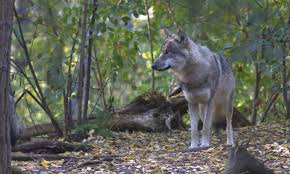
Castile and León is a region with one of the largest wolf populations in Europe. The former Spanish decision faced opposition from nature and environmental organizations, who argue that shooting wolves poses a serious threat to the species, which is already under pressure from habitat loss and illegal hunting.
According to the European Habitats Directive, killing a wolf is only allowed in exceptional cases. The Court ruled that the Spanish authorities have not provided sufficient evidence that hunting is necessary to prevent damage to livestock. Alternative, less invasive measures are available, such as the use of guard dogs and reinforced fences, which have not been adequately considered or implemented.
The ruling is an important victory for animal rights activists. The Court also emphasized in this case that economic interests, such as those of the agricultural sector, do not outweigh the need to protect biodiversity. The Spanish government must now revise its policy and ensure that wolf protection complies with EU legislation.
Promotion
The Court's decision may also have implications for other EU countries where the protection of wolves and other large carnivores is a contentious issue. The ruling follows shortly after a similar decision on wolf hunting in Tyrol, Austria, where the Court also found that plans to shoot wolves violated European regulations.
The European Commission, led by Ursula von der Leyen, has repeatedly emphasized that biodiversity protection is one of the main priorities of the European Green Deal. Environmental organizations have welcomed the Court's rulings and view them as an important step towards better protection of wild animals in Europe.