

This resolution responds to an earlier report by the European Commission (December 2022), which examined the impacts of the Russian war against Ukraine and the disruption of grain and food exports.
At the time, the EU Commissioners concluded that there were no food shortages in Europe due to the war, and that only short-term transport and export problems had occurred. Agricultural politicians did not agree with such a reassuring approach by the European Commission. At their insistence, two temporary relaxations for food production were already included in the new multiannual EU agricultural policy (CAP).
In addition, “grain corridors” and exemptions from import duties were established to support Ukrainian agri-export. However, less than a year later, protests are now arising from farmers in Eastern European EU countries because this aid to Ukraine threatens their trade and exports.
Promotion
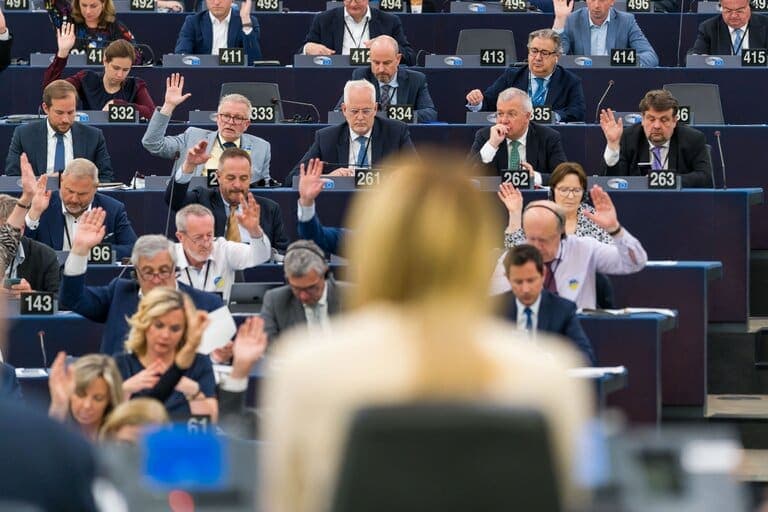
The resolution from the agricultural lobby in the European Parliament largely reiterates familiar positions and emphasizes the importance of European agriculture.
More specifically, it again calls for more and deeper research into all possible price consequences for farmers' incomes from the Green Deal and again requests more restrictions on competing imports from non-EU countries and increased subsidies for costly artificial fertilizer.
The European Commission has previously pointed out that the effects of the new agricultural policy have already been extensively researched, including over 600 pages of research reports from scientific institutes, and states that not everything, including far future consequences, can yet be calculated precisely.
The response from the ENVI environmental committee to the resolution emphasizes that the EU can only guarantee food security in the long term if short-term measures are taken in EU climate policy, the Green Deal, and the farm-to-fork food strategy. These measures are essential to create a good and healthy foundation for food production, environmental spokespeople argue.
Critics say that the resolution from the Agriculture Committee appears primarily directed against current EU measures that could impose restrictions on agriculture. They point out that sustainability and ‘healthy soil’ are two important pillars of European food security policy and fear that reaffirming traditional farming practices could hinder progress in this area.
It is already clear that several amendments to the resolution will be submitted on Wednesday by liberal and left-wing groups.