

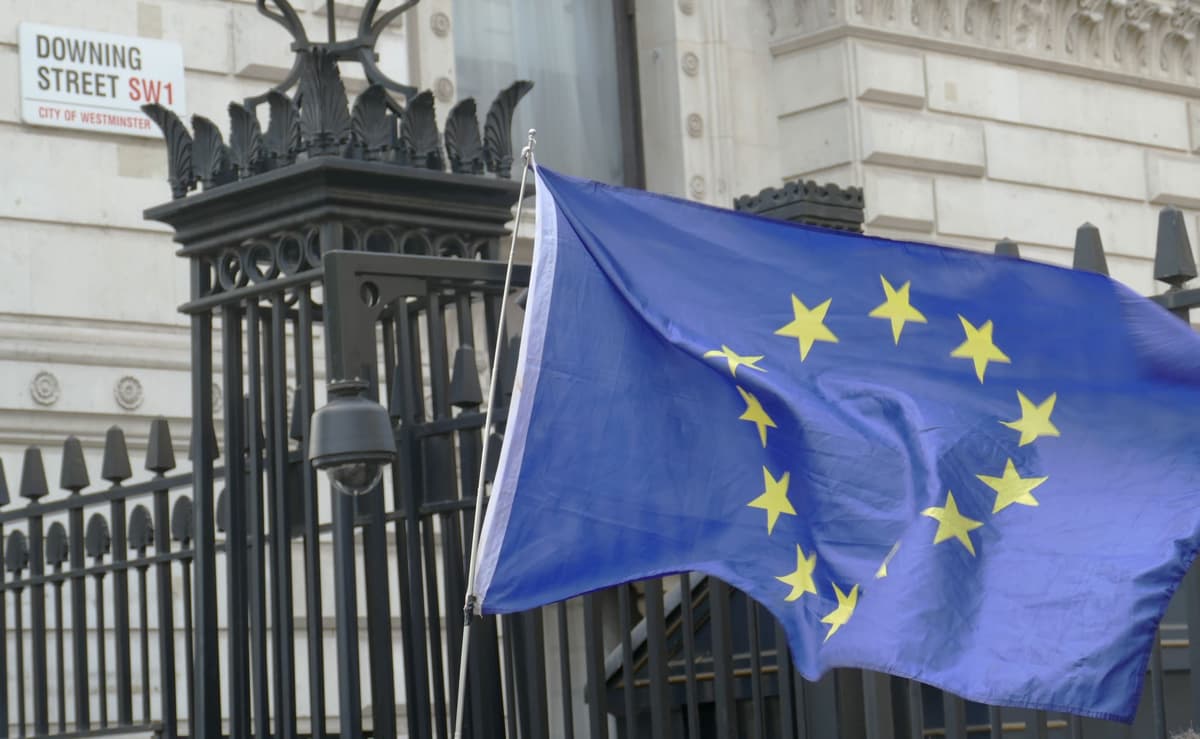
The British Parliament has approved the agreement that Prime Minister Boris Johnson concluded earlier this month in Brussels with the EU leaders regarding the United Kingdom’s withdrawal from the EU. Previous agreements by Johnson’s predecessor Theresa May were rejected three times. This is the first time the House of Commons has voted in majority favor of leaving the EU membership.
The House of Commons rejected Prime Minister Johnson’s proposal to process all new laws related to this Brexit within three days. According to critics, these are technically and legally complex laws that have significant consequences and where no mistakes can be made. These laws concern how the UK will operate independently from the EU and what will still be done jointly with the EU in the coming years.
Moreover, handling all these laws means politicians can submit amendments and proposed changes. For example, the possibility has again been raised to ask the public for their opinion in a second Brexit referendum. There is also a high chance of snap parliamentary elections, and that a different government will be in London in a few months’ time. As a result, it is not yet clear how the British exit from the EU will ultimately look. It is even unclear whether this Brexit will go ahead.
Promotion
EU President Donald Tusk has now proposed to the EU countries that they grant the earlier British request to postpone the Brexit departure date. Last weekend, the House of Commons forced Prime Minister Johnson to apply for some delay, forcing him to abandon his ‘dreamed’ Brexit date of October 31.
Tusk suggests handling the extension via a written procedure, meaning he will not convene a special EU summit. France has indicated it is open to a “technical extension by a few days.” Germany is also open to a short Brexit delay if it is for the right political reason. A short-term extension would allow smooth ratification for the UK’s departure from the European Union.
It is still unclear whether the EU countries will adopt the previously mentioned end-January date or use a different formula. However, France excludes reopening negotiations on the agreement.
It is also not yet clear what any delay means for the position of a British EU Commissioner and for the British Members of the European Parliament. EU law stipulates that countries which participated in the European elections on November 1 have the right to a seat in the European Commission and seats in the European Parliament. It is already known that preparations for the new Von der Leyen Commission are working on a commission of 27 members without a British commissioner. As for the freed British MEP seats, it was previously stated they would be redistributed among other countries, but the European Parliament has not yet decided what should happen after November 1.