

The Carbon Border Adjustment Mechanism (CBAM) is not an import tariff or tax, but requires non-EU companies to pay for their own CO2 emissions, just as European companies already must. This 'environmental adjustment' at the border ensures that imports are not cheaper than environmentally friendly European products.
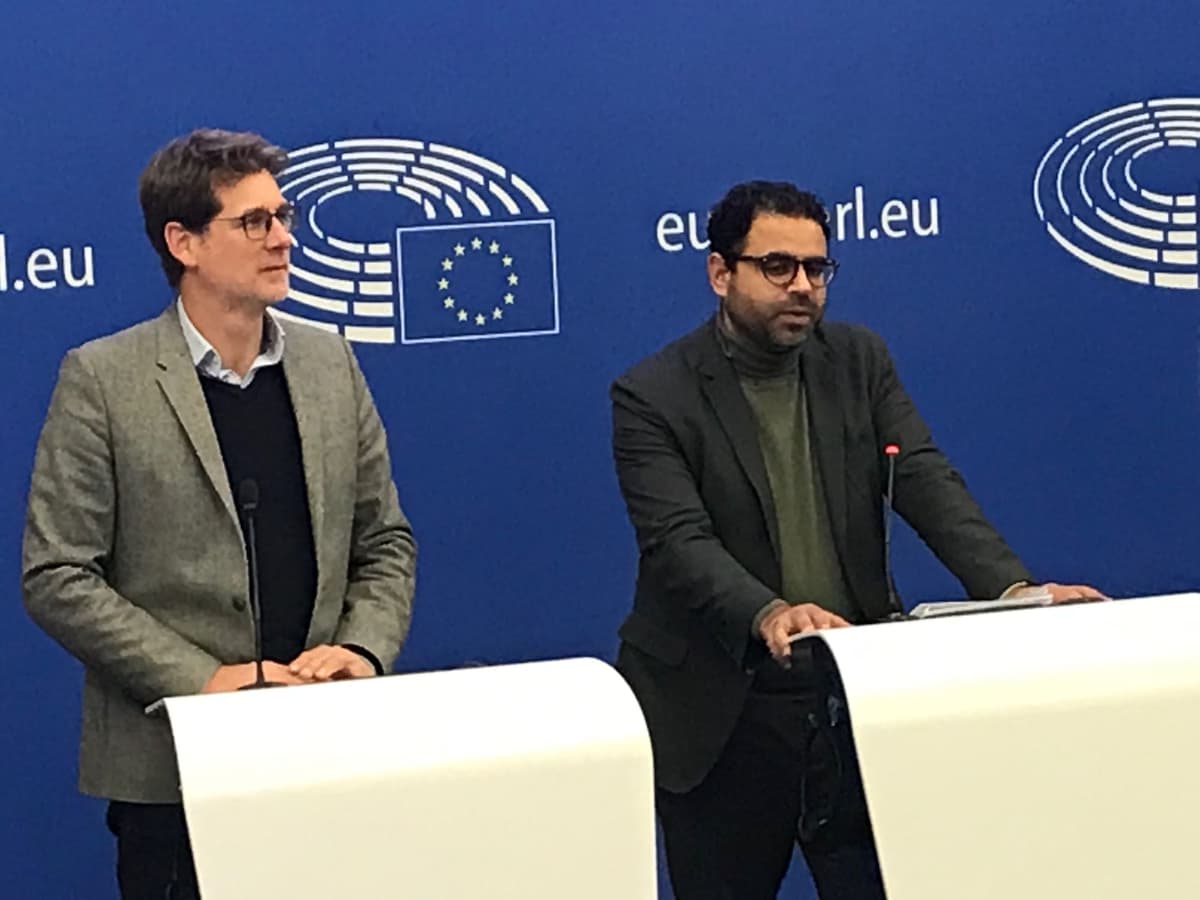
“Do foreign companies want to bring their products into our market? Then they must comply with our climate rules as well,” says Dutch MEP Mohammed Chahim (PvdA), who led the negotiations on behalf of the European Parliament.
The CO2 levy at the European border is, according to his fellow negotiator Pascal Canfin (France), a global first. “With this directive, the polluter truly pays, and we encourage the rest of the world to also become more climate-friendly.”