

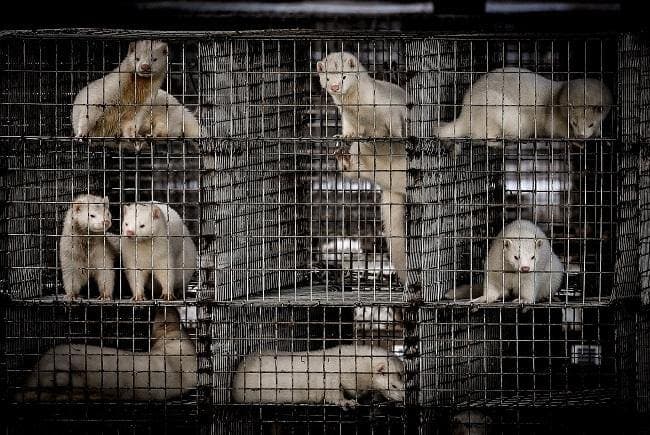
Earlier this year, the EU agriculture ministers from several countries, including the Netherlands, issued an urgent call to end fur farming throughout the EU. They emphasized the ethical and environmental issues surrounding the fur industry and urged a speeding up of efforts to put an end to this practice.
No European Commissioner was present during the presentation of the petition results in Brussels, to the dissatisfaction of several MEPs such as the Dutch Anja Hazekamp (Party for the Animals). “The citizen initiative is the only form of direct democracy the EU has, but the European Commission seems to take neither the instrument nor animal welfare seriously.”
The 'Fur Free Europe' campaign has not only gained support from EU citizens but has also impressed the European Economic and Social Committee (EESC), which praised the campaign's efforts. The EESC, as an EU advisory body, has encouraged the campaign and recognized it as an important contribution to the debate on animal welfare in Europe.