

The coronavirus crisis and the Russian war against Ukraine demonstrate that the crisis fund can only be used occasionally, and on a limited scale.
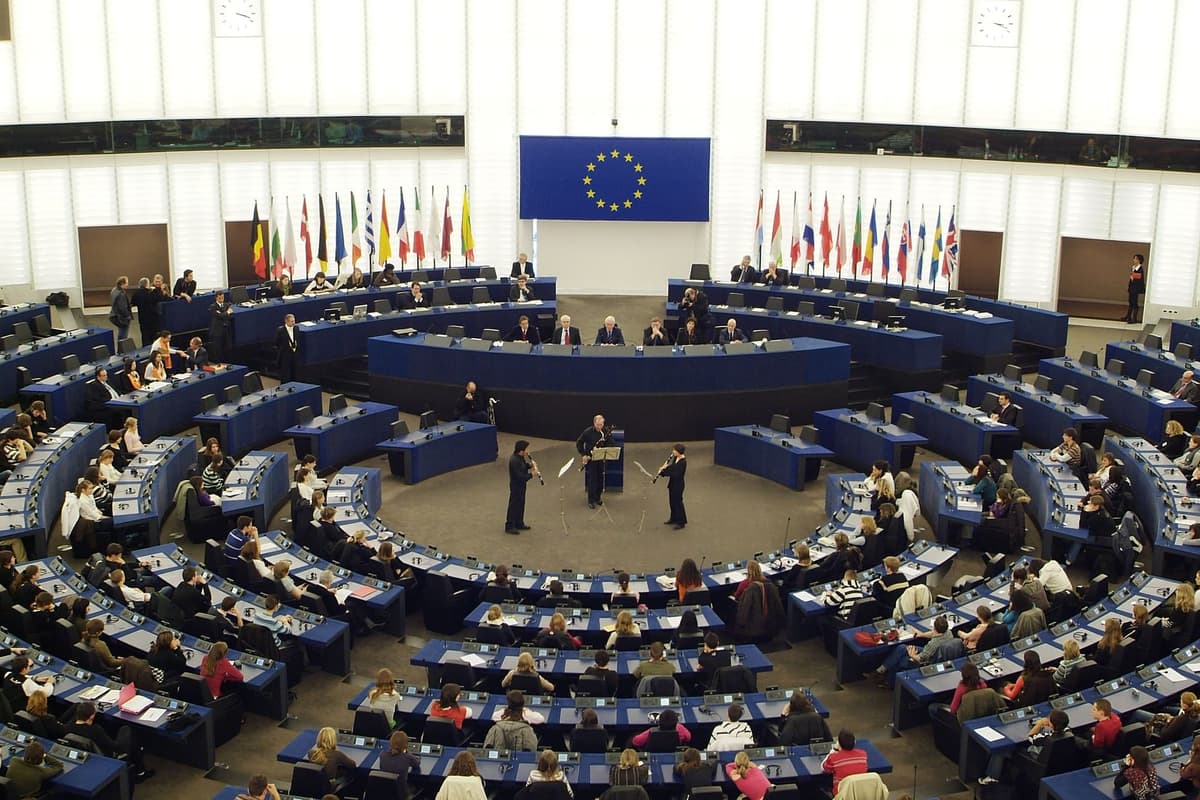
In a discussion with the European Parliament in Strasbourg, Wojciechowski said that the EU countries themselves are in a better position than the Commission when it comes to granting crisis aid. The EU has relaxed the rules allowing EU countries to provide their sectors with occasional financial support. The new agricultural policy also opens possibilities for national deviations.
At the same time, Wojciechowski said he is considering reopening the crisis reserve this year, but EU countries must agree and also allocate funding themselves. He has previously made clear (for example during bird flu and swine fever outbreaks) that crisis aid at the EU level will at most be a drop in the ocean. If distributed to all farmers in the EU, about only 50 euros would be available per farm.
Promotion
According to Wojciechowski, rising inflation is a much bigger problem for many farmers. This inflation is not the same in all member states, which complicates counteractions from Brussels. Hungarian farmers are currently hit hardest by price increases. The situation is also difficult in the Baltic states as well as in Romania and Bulgaria.
Due to the high inflation and its impact on European agriculture, the European agricultural budget should be significantly increased in the new multiannual financial framework, Wojciechowski told the European Parliament. That new multiannual program will only start in 2028, after the 2024 elections when a new Commission takes office. However, the current team of commissioners intends to 'adjust their budgets to the new reality.'
The current agricultural budget (€270 billion) is about one third of the total EU budget. However, this budget has been considerably depleted in recent months due to unchecked inflation. According to the EU agriculture chief, a larger budget is needed both to guarantee food security for the European Union and to protect agriculture, the environment, and rural communities.