

The Christian Democrats describe these proposals as a threat to food production and farmers' income. It is highly unusual for a parliamentary group to outright reject proposals in advance, without consulting the EU Commissioners about possible adjustments or compromises.
The EPP believes that Commissioners Sinkevicius (Environment), Timmermans (Climate), and Kyriakides (Food Safety) should take their proposals 'back to the drawing board.' Earlier, EPP politicians in the AGRI agriculture committee also stated they will not support the upcoming proposals to reduce emissions from livestock farming (RIE).
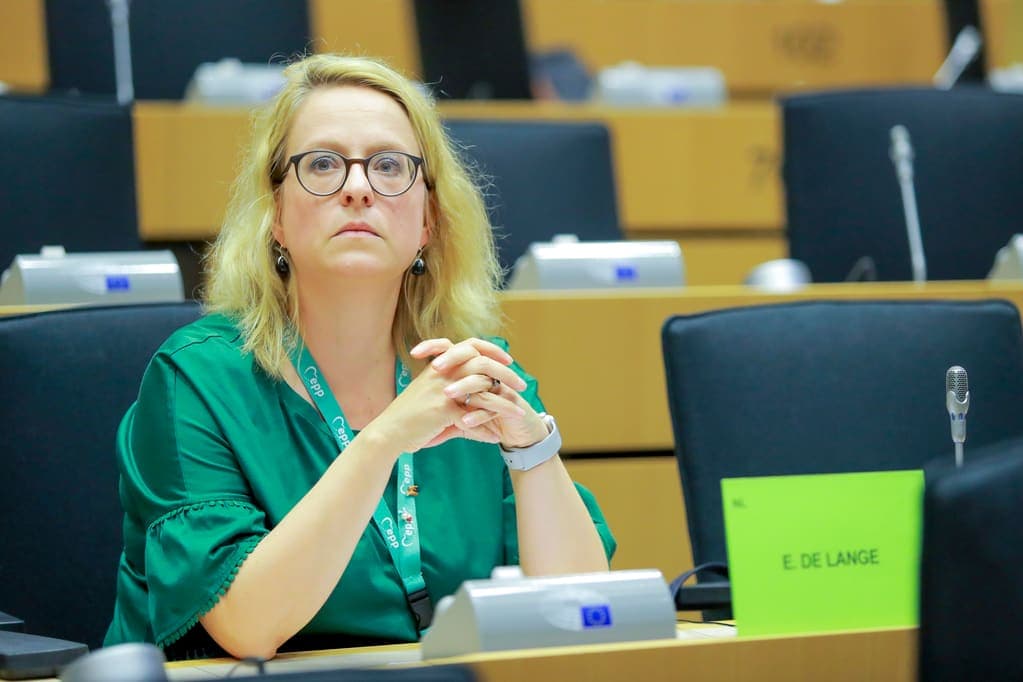
EPP group leader Manfred Weber (CDU/CSU) and deputy group chair Esther de Lange (CDA) will present their proposals Wednesday in Strasbourg during the major agricultural debate with the European Commission and the EU Presidency about the future 'green' agricultural policy.
Promotion
In doing so, they position themselves directly opposed to the course of the European Commission, led by their fellow party member Ursula von der Leyen. The rejection of the three Green Deal laws is widely seen as the launch of the EPP's campaign for the upcoming European Parliament elections next May.
According to the concluding statement of the EPP summit, the newly elected European Parliament, after 2024, will decide on the new CAP agricultural policy after 2027. Regarding agricultural funds, the EPP insists they should at least be increased annually by inflation.
By rejecting the three defining documents, the EPP can try to regain some of the lost voter support among farmers in many EU countries. In Germany, the Christian Democrats ended up in opposition after substantial electoral losses.
"The EPP has always been highly critical of this proposal and especially the way the Commission thinks it can get this done," said Dutch CDA member Esther de Lange recently. But with this amendment, the EPP is taking a much larger step: "In the 16 years I have been in the European Parliament, I have never before rejected a proposal outright," De Lange said. Her party recently suffered heavy losses to the Farmer-Citizen Movement in the recent provincial elections in the Netherlands.
European agricultural policy was traditionally an EPP stronghold in the AGRI agriculture committee, but many policy decisions have been reassigned since 2019 due to restructuring of tasks and competences under the ENVI environment committee. Also, the formerly influential Agriculture Commissioner must now share part of their competences with the Commissioners for Climate, Environment, and Biodiversity.
To push the three proposals beyond the elections ('postpone indefinitely'), the EPP members need support from a large number of 'dissidents' within the liberal RENEW group. These dissidents previously helped the EPP achieve a majority on pro-AGRI and anti-ENVI votes in Strasbourg, together with the right-conservative ECR/SGP group. It is uncertain whether the liberals now want to be drawn into the EPP's political waters.