

This must be based on concrete indications, for example from client organizations or whistleblowers. It will then no longer be possible to market such products, including online sales.
Manufacturers of prohibited goods will have to remove their products from the internal market and donate, recycle, or destroy them. Companies that do not comply with the rules may face fines. The goods may be admitted later once the importing company has eliminated forced labor among its suppliers.
This week, the European Parliament adopted a regulation that bans the sale, import, and export of goods produced using forced labor. This mainly concerns items from outside the EU, for example, clothing made by children.
Promotion
It is up to whistleblowers, non-governmental organizations, and cooperating governments to indicate which goods are suspicious and can be investigated. With sufficient verified facts, an investigation will be initiated.
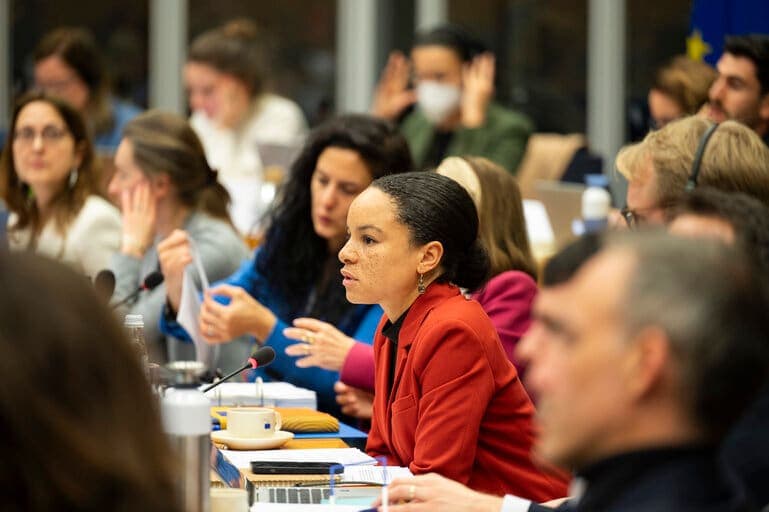
Dutch Member of the European Parliament Samira Rafaela (D66), co-author of the proposal, called it a historic day and is pleased with the adopted regulation. ‘We have passed groundbreaking legislation to combat forced labor worldwide.
This regulation promotes European and international cooperation, shifts power from exploiters to consumers and workers, and offers possibilities for justice for the victims,’ Rafaela said.