

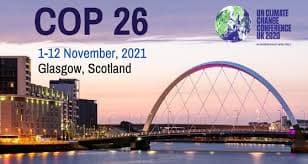
The European Union must push for a global methane agreement at the upcoming climate summit in Glasgow. That is what the European Parliament proposes. By reducing methane gas emissions both inside and outside the EU, the Paris climate goals can be achieved.
Methane is about 25 times more potent as a greenhouse gas than carbon dioxide and contributes to global warming. Ten percent of the EU's emissions are methane. Stricter controls must also be implemented in the EU on the import of oil and gas.
A major climate conference will begin on October 31 in Glasgow, Scotland. Countries and organizations will gather to discuss new solutions to combat global warming. The EU will be present as well. The European Parliament has adopted a resolution for the EU's strategy and commitment.
Promotion
Reducing methane emissions is the main focus of the EU strategy. According to Parliament, this costs the least and yields the greatest reduction in greenhouse gas emissions. If it were up to the Members of the European Parliament, a global methane agreement should be concluded in Glasgow.
By focusing on phasing down methane gases within the EU, the Paris Agreement climate targets can be met more easily and cost-effectively, the Parliament states. Agriculture has the largest share in this, as livestock – especially cows – emit substantial amounts of methane gas.
Therefore, MEPs want new measures in EU member states to reduce these emissions. At the same time, it must be prevented that food production is moved outside the EU to evade these new rules.
The European Parliament believes fossil fuels must be phased out as soon as possible. Since over eighty percent of oil and gas consumption in the EU comes from imported resources, strict controls must be established. Fossil fuels such as oil and gas may only be imported in the future if they comply with EU regulations.
Greek MEP Maria Spyraki authored the report preceding the resolution. She states: ‘We must act immediately and achieve concrete results in reducing greenhouse gas emissions to protect people and the planet today and in the future. By setting binding targets for methane reduction, the EU can play a key role in encouraging the rest of the world to do the same.’