

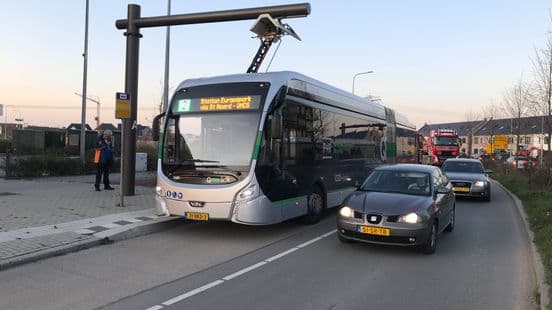
More and more city buses are already electric, but this often depends on the ambitions of local governments. The new rules do not (yet?) apply to the mostly private coaches and outsourced regional bus lines.
Trucks cause about a quarter of the exhaust emissions; tractors, agricultural vehicles, and specialized vehicles such as lowloaders and cranes are not included.
New trucks and buses are already subject to CO2 requirements, but these have become outdated due to new EU climate targets and innovations in the sector. From now on, new vehicles must use the available most effective technologies. The new law therefore raises the targets significantly: 45% less CO2 emissions by 2030, 65% by 2035, and 90% by 2040.
Promotion
Similar plans are also in preparation for shipping and aviation. These industries also have to drastically reduce their nitrogen emissions within the EU.
At the proposal of the European Parliament, more types of large vehicles will also be included, such as garbage trucks and various work vehicles. Ideally, the European Parliament wanted a complete stop to the manufacture of all new combustion engine cars by 2040, but that proved too controversial.
Now that the Parliament and EU countries have reached a provisional deal, it must still be approved by the environment ministers and a majority of the parliament. This is expected to happen before April.