

In these elections, voters have the chance to shape the EU’s direction over the next five years. The Russian war of aggression against Ukraine has led many governments across the EU to place security and defense higher on their list of priorities.
In 2021, record rainfall and devastating floods in Western Europe painfully reminded us of the human and material costs of inaction. Currently, we see a similar tragic event in southern Germany, albeit to a lesser extent. Scientists link these extreme weather events to climate change.
Europe is the fastest warming continent in the world. Last year was the warmest in Europe since records began, and this trend continues this year. In March, climate records were broken for the tenth consecutive time concerning both air temperature and sea surface temperature.
Promotion
Over the past five years, EU countries have adopted and implemented an ambitious package of measures under the European Green Deal to address the main causes of climate change and environmental damage. Europe has successfully transitioned to renewable wind and solar energy, reducing dependence on Russian gas and oil.
The package includes drastically reducing greenhouse gas emissions, cutting waste, and improving resilience to rapidly advancing climate change. According to many scientists, agriculture should focus on lowering greenhouse gas emissions and reducing pesticide use.
The biggest challenge now is to build political will and pressure across all member states to implement these measures. That will not be easy. Many of the measures will affect us as consumers, homeowners, and also businesses.
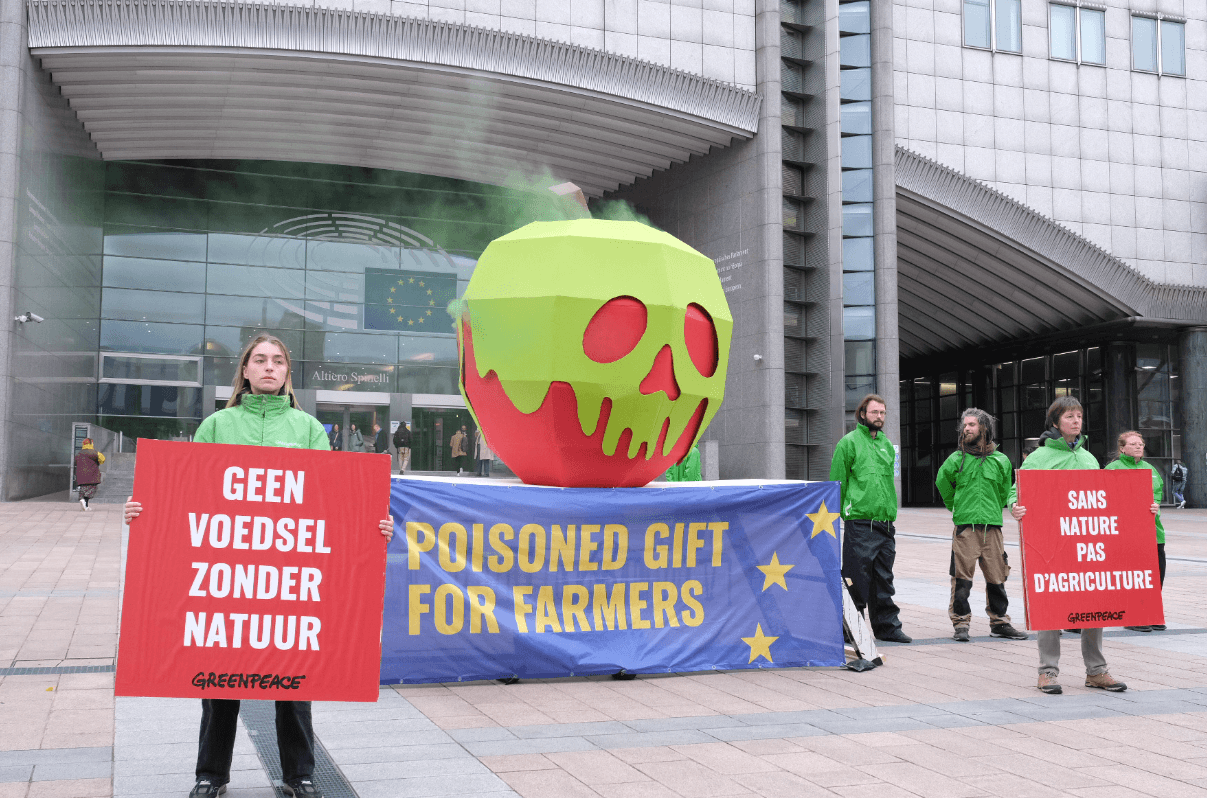
This is already too much for those critical of the green transition. In many countries, a backlash has recently begun taking the form of protests, with farmers demonstrating against ecological regulations. Science has already shown that delaying the Green Deal will cost much more than acting now….