

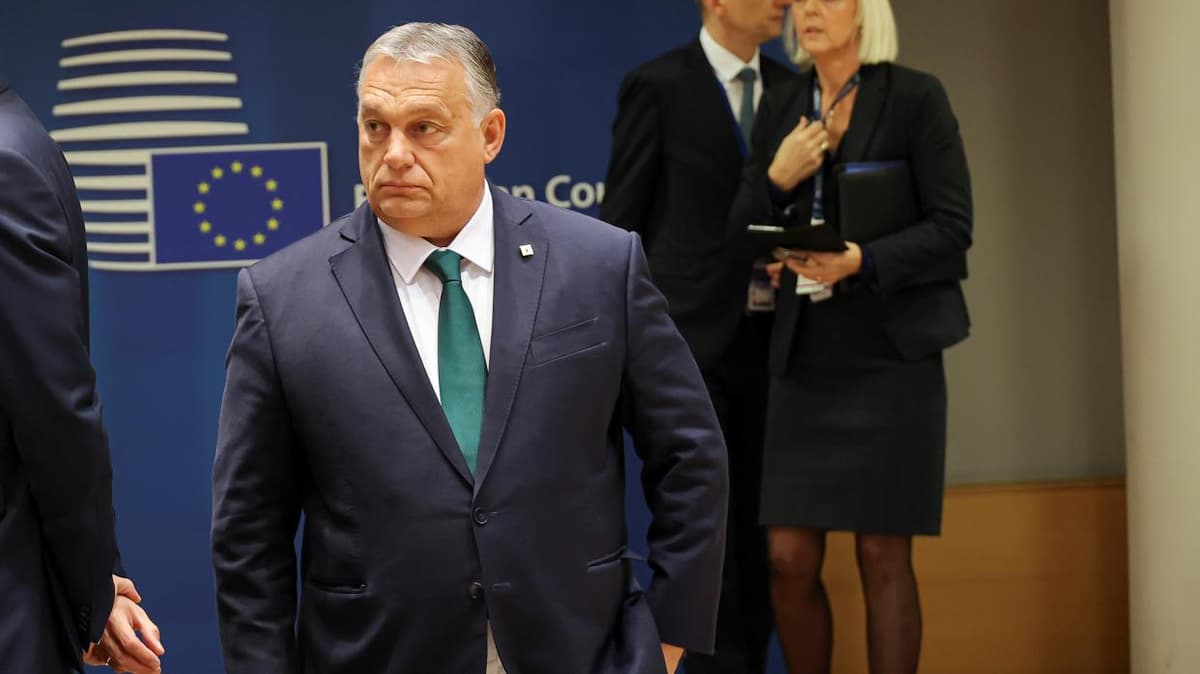
At the recent EU summit, Hungary voted against the EU budget because the Brussels accounts allocate several tens of billions in financial aid to Ukraine. The Hungarian government also opposes starting negotiations with Kyiv about potential future EU membership.
Hungarian Prime Minister Orbán is considered a political ally of Russian President Putin and refuses to cooperate with European sanctions against Moscow. For a long time, Orbán was supported within the EU by the Polish PiS government, but recently a new pro-EU government took power there, led by former EU President Donald Tusk.
Hungary has been known within the EU for years as a troublemaker, rejecting numerous European codes of conduct, laws, and procedures. As leverage, Brussels delays or postpones the disbursement of EU subsidies to force Budapest to comply with EU rules. These measures happen only sparingly.
Promotion
The European Parliament in Strasbourg called several years ago to revoke Hungary’s voting rights and to freeze subsidies, but most European heads of government want to avoid such a final confrontation with their counterpart Orbán.
Last month’s EU summit ended yet another year of bitter disputes between the EU and Budapest, including issues about the independence of Hungarian courts, corruption, and restrictions on civil liberties.
European politicians want to adopt a resolution regarding Hungary next week because the 27 heads of government have again decided to ultimately release those EU subsidies to Budapest.
Concerns about Orbán’s and Hungary’s orientation towards the EU became even more pronounced last week following the announcement by (Belgian) EU President Charles Michel that he will resign early in July. Michel intends to run as a candidate in the European elections in June, although his term as EU president runs until the end of December.
EU procedures provide that in the event of an unforeseen absence, the EU president is replaced by the prime minister of the EU country holding the rotating EU presidency at that time. Belgium holds the presidency in the first half of this year, and Hungary in the second half. Among other things, negotiations and discussions regarding the composition of a new European Commission must be completed in the last months of 2024.