

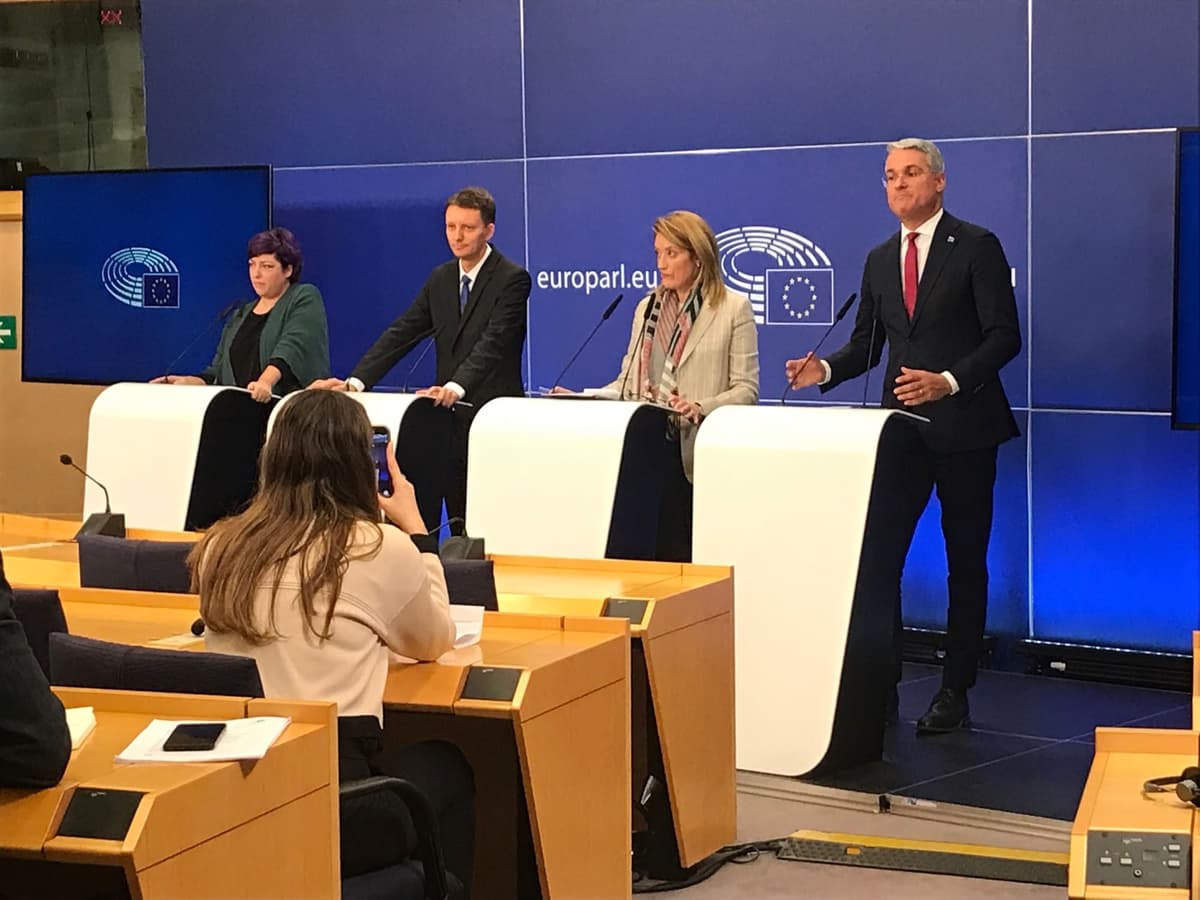
With this stance by the vast majority of the European Parliament, the tripartite negotiations between the European Commission, EU member states, and the European Parliament will begin next week. In that case, Climate Commissioner Frans Timmermans will have to find (limited) new financing if the parliament continues to block his attempt to tap into the agricultural savings pots.
Since most of the money (over 200 billion euros) has already been approved by the EU countries, and the agricultural reserve was only needed in the longer term, it is expected that a solution will be found. Especially because everyone is in a great hurry.
Meanwhile, ministers, the commission, and the parliament have already agreed this week on parts of Timmermans' Fitfor55 climate plan. This concerns new measures against air and soil pollution. This brings stricter rules much closer, with measures that will also affect agriculture and livestock farming. Brussels wants their emissions to fall by 40 percent by 2030 compared to 2005.
Promotion
There is still no agreement among the three European decision-makers regarding the proposal to also treat large livestock farms in the future as major air polluters. Some agriculture ministers appear to be standing firm. There is also disagreement over the proposal to reduce the use of chemicals in agriculture by a quarter.
The proposal for ‘less chemistry in agriculture’ is considered exaggerated by the EPP Christian Democrats, limiting agricultural production in an irresponsible way. The S&D Social Democrats in the European Parliament have stated that they will only agree to ‘less chemistry’ if alternative ‘green’ fertilizer substitutes are available.