

In doing so, the Members of the European Parliament took more far-reaching positions than those in two proposals from the European Commission.
For example, the European Parliament believes that maximum limits should be set for all types of water and soil contamination caused by PFAS chemicals and glyphosate from agricultural products. It recently became clear that in eleven out of twelve EU countries examined, glyphosate residues were found in groundwater.
Last year’s newly presented guidelines for groundwater and surface water established quality standards for dozens of hazardous substances. The European Parliament wants to add PFAS as a group of substances to these standards.
Promotion
While the European Commission also aims for reduced glyphosate pollution by enforcing strict criteria for drinking water areas but less stringent rules for surface waters, the Parliament rejects this approach and demands the strictest possible criteria everywhere.
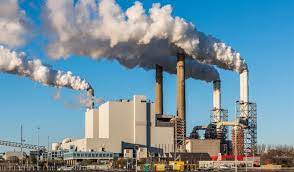
Currently, about 300,000 EU citizens die each year due to the effects of air pollution. This number should be able to drastically decrease, and to achieve this, air pollution must first be reduced. Therefore, the European Parliament has determined that by 2035 stricter limit values and target values will be set for numerous pollutants.
The Members of the European Parliament want to standardize fragmented and illogical air quality indexes throughout the EU. These should be comparable, clear, and publicly accessible. In this way, EU citizens can protect themselves during periods of high air pollution.
Now that the European Parliament has adopted positions on this matter, the EU countries must present their stances. This is expected to happen in the fall. Afterward, final negotiations between the Parliament and the EU countries on reducing soil and air pollution can commence.