

The MEPs voted in favor of the new Waste Framework Directive with 514 votes for, 20 against, and 91 abstentions. This decision stems from growing concerns about the environmental impact of waste and the need to promote a circular economy.
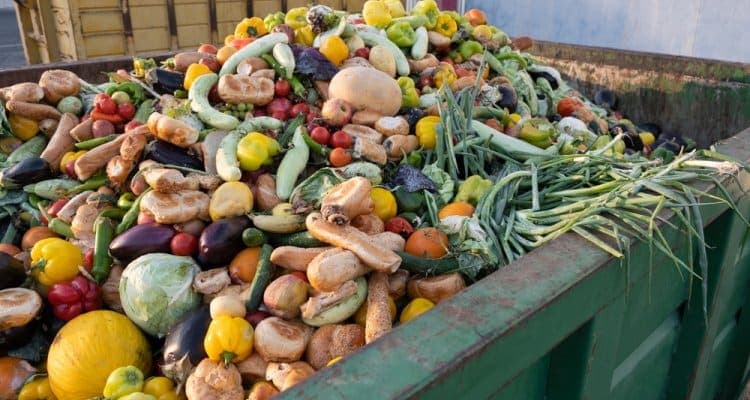
Currently, EU countries generate 60 million tons of food waste annually (131 kilograms per person). The Netherlands believes agreements should also be made to combat food loss in agriculture, but there is still insufficient support for this among other EU countries.
Rules will also be introduced to combat textile waste. In a few years, textiles may no longer be exported to developing countries but must be used as raw material for new production. By reducing food waste and textile waste, valuable resources can be saved and environmental pressure reduced.
Promotion
Dutch MEP Anja Haga (Christian Union) responded approvingly: 'No waste at all is, of course, best. When you see how much food and clothing is wasted, it is high time that regulations are introduced.' A recently published report showed that approximately 3.4 billion T-shirts are destroyed annually in the European Union. The reason for this is that textiles too frequently end up in residual waste.
The new rules mean that textiles must routinely be collected separately, and producers will be responsible for recycling. 'This regulation is an important step towards a circular economy. We need to get rid of fast fashion and this is a start. Unfortunately, no strict targets have been set to reduce textile waste. The European Parliament really missed an opportunity there,' said Haga.