

Heavy commercial vehicles such as buses and trucks currently account for more than 25 percent of greenhouse gas emissions from road transport within the EU. They are also responsible for over six percent of the total EU greenhouse gas emissions. According to the proposal made by the European Commission in February last year, reducing these emissions is crucial for the EU objectives to be climate neutral by 2050.
New trucks and buses in the EU are already subject to CO2 requirements, but these have become outdated due to new EU climate goals and innovations in the sector. The new law therefore significantly raises the targets: 45% less CO2 emissions by 2030, 65% by 2035, and 90% by 2040. Another win for the Parliament is the inclusion of more types of vehicles under the rules, such as garbage trucks and various work vehicles.
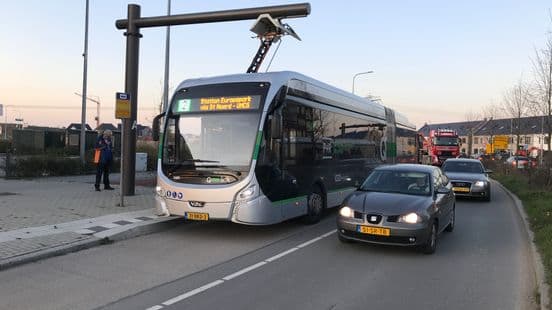
When it comes to city buses, different steps are being taken. By 2030, new buses operating in cities must have reduced their emissions by ninety percent. By 2035, these must be emission-free. From 2030, emission reduction targets are also set for trailers (7.5 percent) and semi-trailers (ten percent). Ultimately, the goal is for all heavy vehicles across the entire EU to be virtually emission-free.