

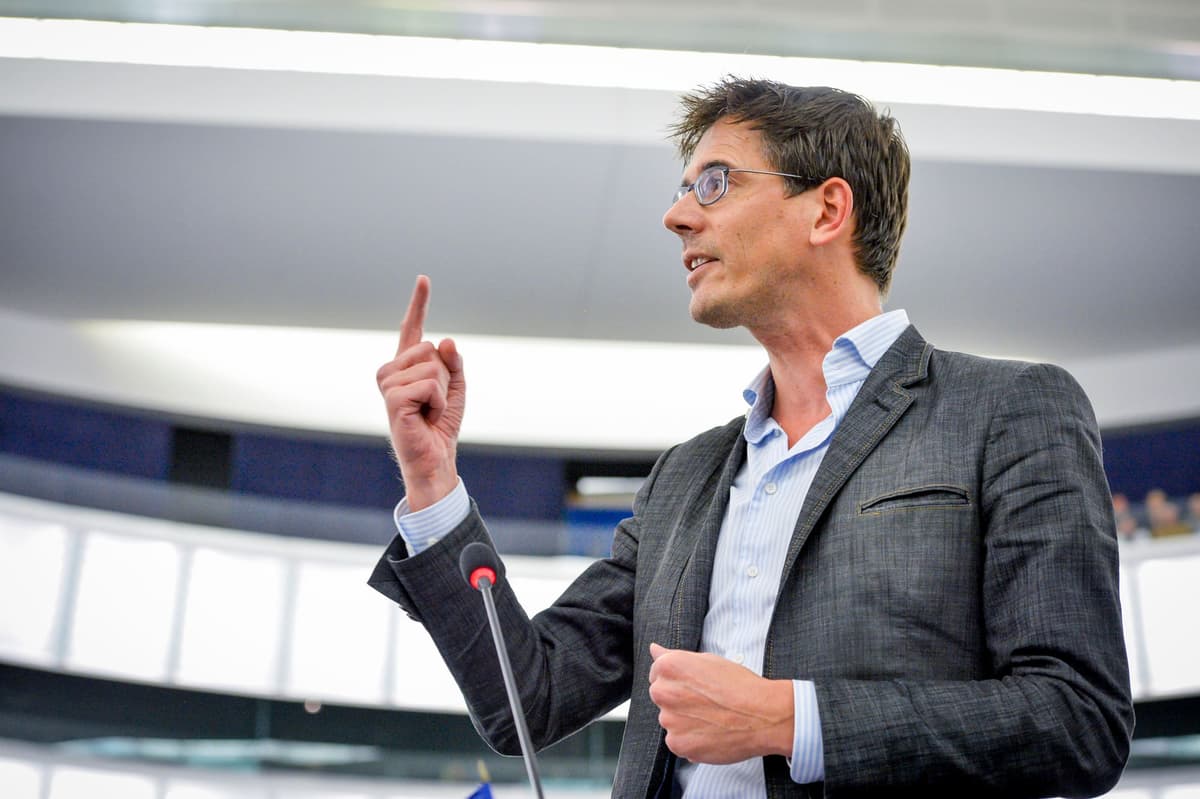
Within 25 years, the so-called F-gases will no longer be permitted in the EU. On Tuesday, the European Parliament in Strasbourg approved an agreement previously reached with European environment ministers, prepared by Dutch MEP Bas Eickhout (GreenLeft). The text provides for a gradual reduction and complete phase-out of "chlorofluorocarbons" by 2050.
Strict requirements will also be introduced to ban products with F-gases on the EU market. This will apply in sectors where it is technologically and economically feasible to switch to alternatives. These sectors include air conditioning, heat pumps, and household refrigeration, according to the new European legislation.
In its original proposal, the European Commission did not push for a complete phase-out of F-gases. For Eickhout, a full stop was one of the most important additions. The MEPs also approved an agreement to reduce ozone-depleting substances.