

Additionally, the fight against environmental criminals will be intensified. Individuals or entrepreneurs who commit environmental offenses will henceforth receive prison sentences. The length of these sentences depends on how prolonged, serious, or irreversible the environmental damage is. Qualified offenses will carry up to eight years of imprisonment, and offenses that result in deaths will carry ten years in prison in the future. For other prosecutable offenses, a maximum prison sentence of five years will apply.
The updated list of environmental crimes includes, among others, illegal logging, pollution by ships, and violations of EU legislation on chemical substances. It also concerns “qualified crimes,” such as large forest fires or extensive pollution of air, water, and soil. This leads, among other things, to the destruction of ecosystems, comparable to ecocide. It must be clear that the perpetrators/polluters knew their actions (or negligence) were punishable offenses and that they nonetheless (intentionally) committed them.
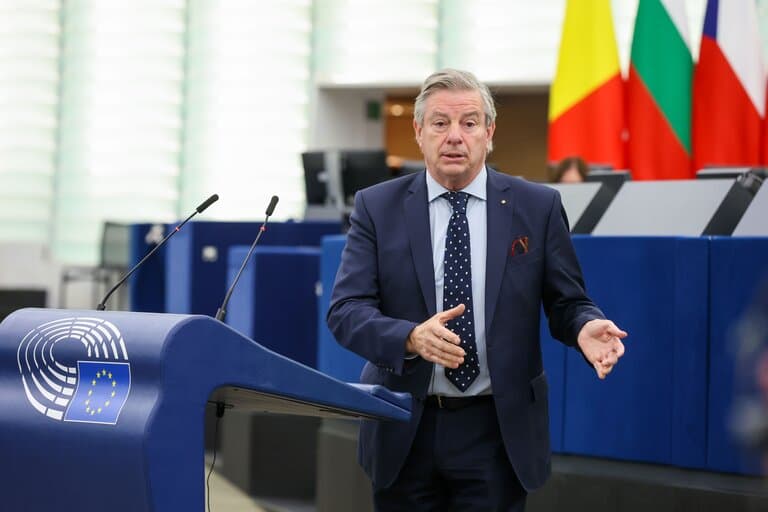
According to co-negotiator Toine Manders (CDA), the new EU directive will have a “dynamic” character to allow interim adjustments, and in some cases even retrospective review. He pointed out that environmental crime is developing rapidly and increasingly uses new techniques and methods. Also, seemingly “ordinary” business activities can be harmful (to humans or the environment), and thereby punishable.
Promotion
“It’s time to combat this cross-border crime at the EU level through harmonized and deterrent sanctions,” Manders said. “With this agreement, the polluter pays.” Furthermore, it is important that people in leadership positions at polluting companies, as well as the companies themselves, are held liable. “With the introduction of a duty of care, there is no longer any room to hide behind permits or loopholes in the legislation.”
EU countries will soon be able to decide for themselves whether to prosecute offenses committed outside their own territory. This means environmental criminals causing damage in third countries may be prosecuted by an EU member state. EU countries must also organize specialized training for police officers, judges, and public prosecutors.