These types of bookings for holiday cottages and weekend trips are usually made through online platforms such as Airbnb, Booking, Expedia, and TripAdvisor.
In the EU countries, holiday and other short-term rentals have exploded in recent years. At least a quarter of tourist accommodations are offered directly via the internet. There are many excesses, such as mass tourism and illegal rentals. This mainly comes at the expense of housing availability for people looking for homes, especially in large cities.
Booking sites and landlords will soon have to register data and share it with authorities. Advertisers will also need to verify whether rentals are genuinely legal. Local authorities can also request platforms to remove illegal listings and advertisements. Moreover, they can impose fines on platforms or landlords that do not comply with the rules.
Each EU country must establish a single digital point of contact where booking sites provide monthly information about rentals, such as the number of nights a property was rented and the number of guests who stayed. This will also facilitate the collection of municipal tourist taxes.
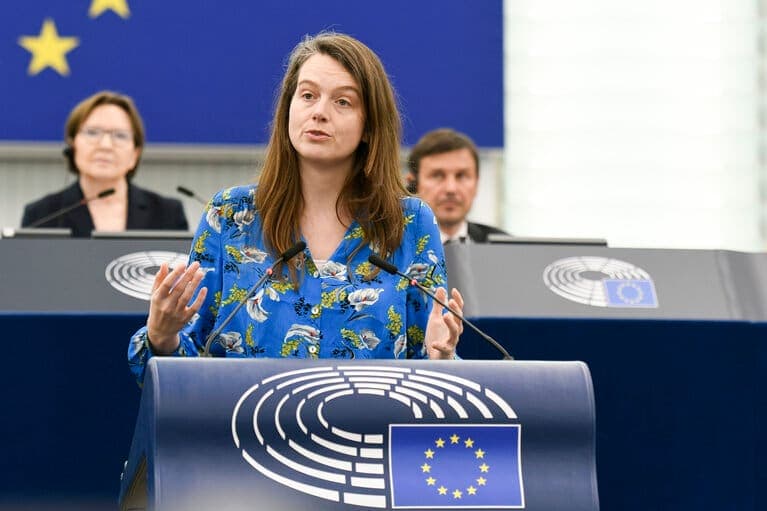
Dutch Member of the European Parliament Kim van Sparrentak (GroenLinks) is the EP rapporteur for the Short Stay Rentals file. 'Cities are facing a peak in illegal short-term holiday rentals. This makes cities across Europe harder to live in and less affordable,' Van Sparrentak explains.
Since the rise of online rental platforms like Airbnb and Booking, about ten years ago, the number of short stay accommodations has increased enormously. Although this form of rental offers benefits for owners of, among others, second homes, local landlords, holidaymakers, the economy, and local authorities, research shows that appropriate rules are needed to prevent excesses.
Many regions struggle with a lack of regulations, resulting in problems such as excessively high rental prices, displacement of permanent residents, mass tourism, and unfair competition.