

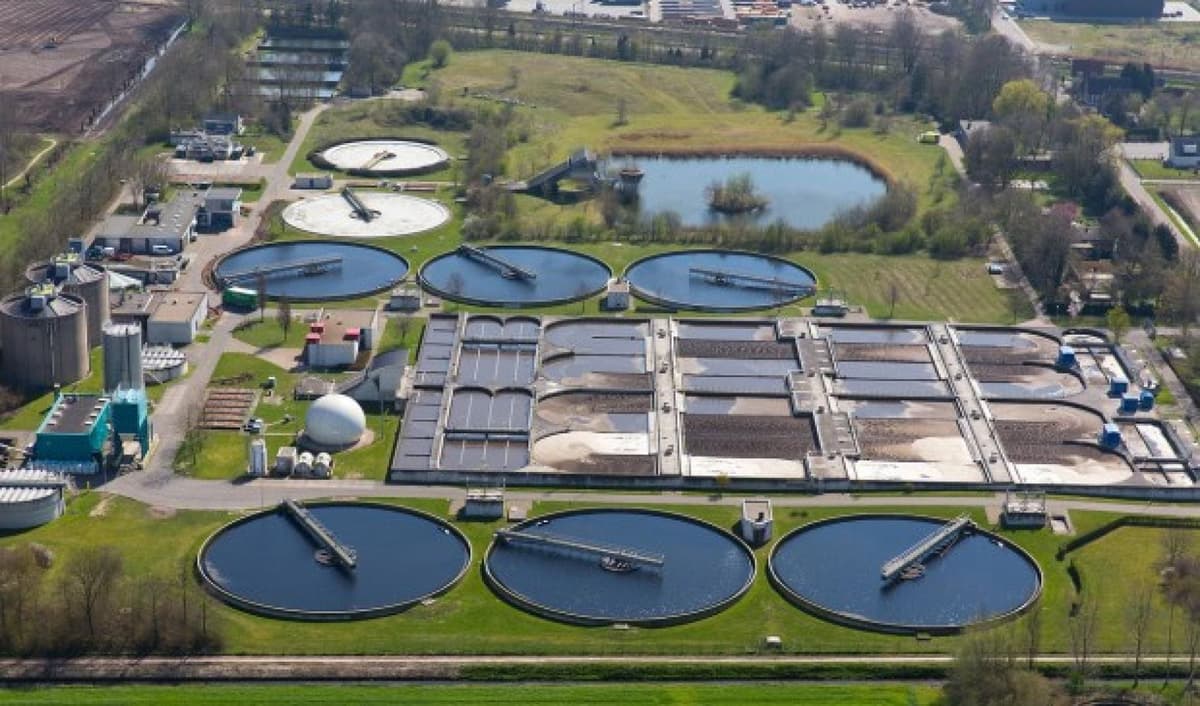
EU politicians also believe that sewage treatment authorities, such as the Dutch water boards, should purify their urban wastewater better with new techniques, so that the water can be reused. Possibilities include use in industry and for heating and cooling systems.
The European Parliament is going further than the proposal submitted by the European Commission. The Environment Ministers of the 27 EU countries will soon express their views on this. In some EU countries such as the Netherlands, the very latest facilities already use techniques that produce ‘nearly potable’ water after treatment. But due to increasing pollution from pharmaceutical residues and chemicals, this is becoming increasingly problematic.
The pharmaceutical industry will contribute financially to the implementation of the plans. This is positive, according to Finnish MEP Nils Torvalds (Renew), who spoke about the ‘social responsibility’ that this sector is taking on. Torvalds was the author of the report that was adopted this week by a large majority in the European Parliament.
Promotion
The MEPs also took a stance on new rules for the collection, treatment, and discharge of urban wastewater. They also advocate better monitoring of pathogens and antimicrobial resistance. The report includes stricter requirements for monitoring chemical contaminants in the water such as PFAS, but also for microplastics, viruses, bacteria, and antimicrobial resistance.
With eutrophication, micro-pollution, and drought, every drop counts, said Finnish rapporteur Torvalds. But the Finn also realizes that in heavily urbanized areas it is difficult to achieve good, sustainable water treatment. This often leads to higher costs and a greater energy demand,” said Torvalds.