

These subsidies, which amount to hundreds of millions of euros annually, are intended to support advocates and organizations in publicizing and advising on new EU policy plans. Such organizations exist not only in the fields of nature and environment but also in areas like health issues, public transport, human rights, and social matters.
These groups often criticize EU plans, yet due to their expertise and EU support, they are invited to European meeting tables. Pro-farmer EU politicians argue that the environmental organizations' criticism of agricultural policies is unfounded and harmful to the agricultural sector.
Members of the European Parliament are divided on the issue. Some believe that subsidies are necessary to promote democratic participation and represent a broad spectrum of opinions. Other parliamentarians advocate for stricter rules to prevent EU subsidies from being used for one-sided campaigns.
Promotion
In the European Parliament, it is mainly German EPP Christian Democrats who have been protesting against this for several years. According to them, some environmental organizations use EU funds to run campaigns that cast farmers in a negative light. Bavarian EPP member Monika Hohlmeier (member of the Budget Control Committee) criticized the fact that Brussels subsidizes 'anti-agriculture actions.'
Other EU politicians pointed out that Ms. Hohlmeier herself is on the payroll of the German agricultural company Baywa for €75,000 per year—as a side income—and is thus part of the agri-lobby in the EU. Previously, Hohlmeier and others fiercely protested when Brussels wanted to cut a few million euros from the budget of hundreds of millions allocated for advertising the consumption of meat.
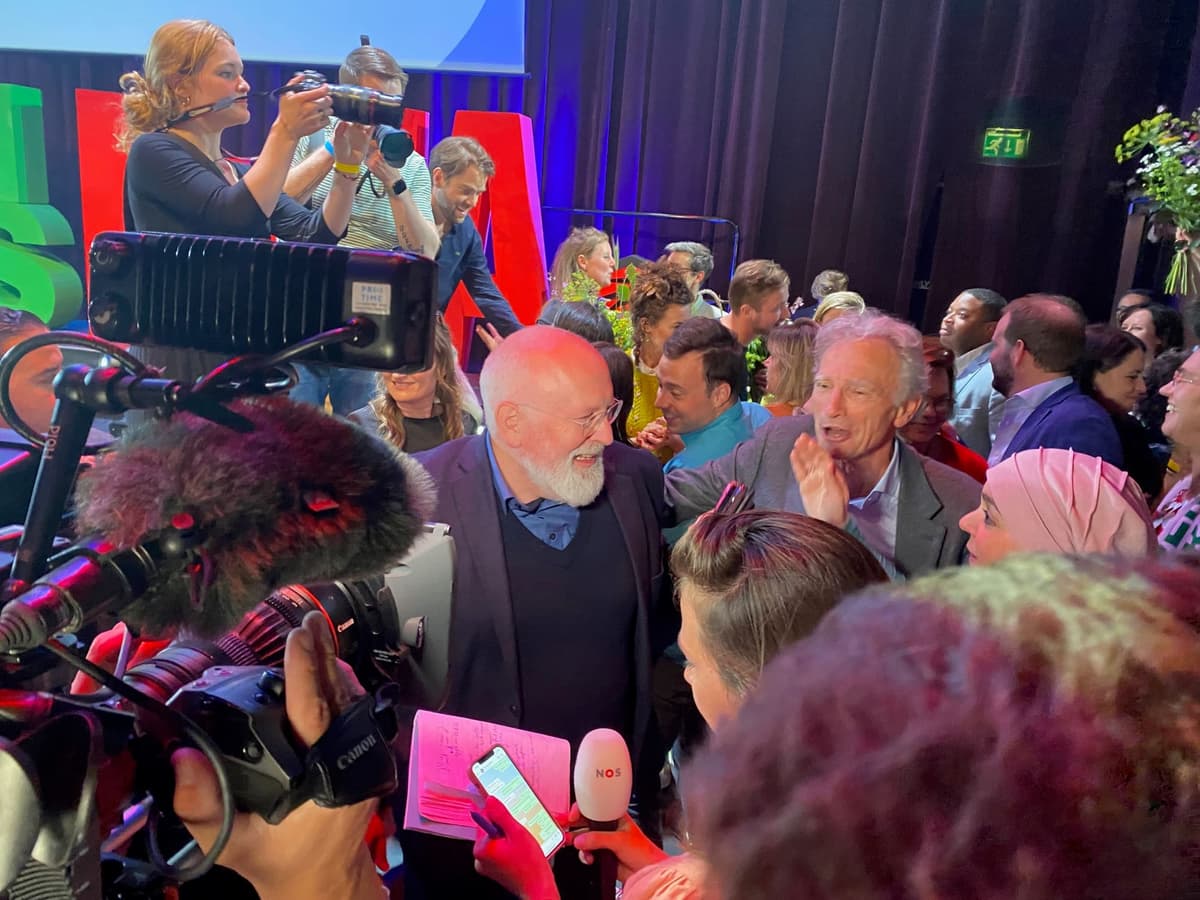
This time, the new Dutch BBB delegation in the European Parliament also joined the Telegraaf campaign against former Commissioner Frans Timmermans and sided with the agri-lobby's criticism of environmental groups' protest actions. The criticism of the subsidy structure across many policy areas is narrowed down to the accusation that Timmermans secretly gave EU millions to environmental groups to oppose farmers.
Environmental organizations defend their work by emphasizing that their criticism is based on scientific research. They assert that many forms of intensive agriculture are harmful to biodiversity and contribute to climate change. These organizations stress that their work is essential to conducting a balanced debate on sustainable policy.