

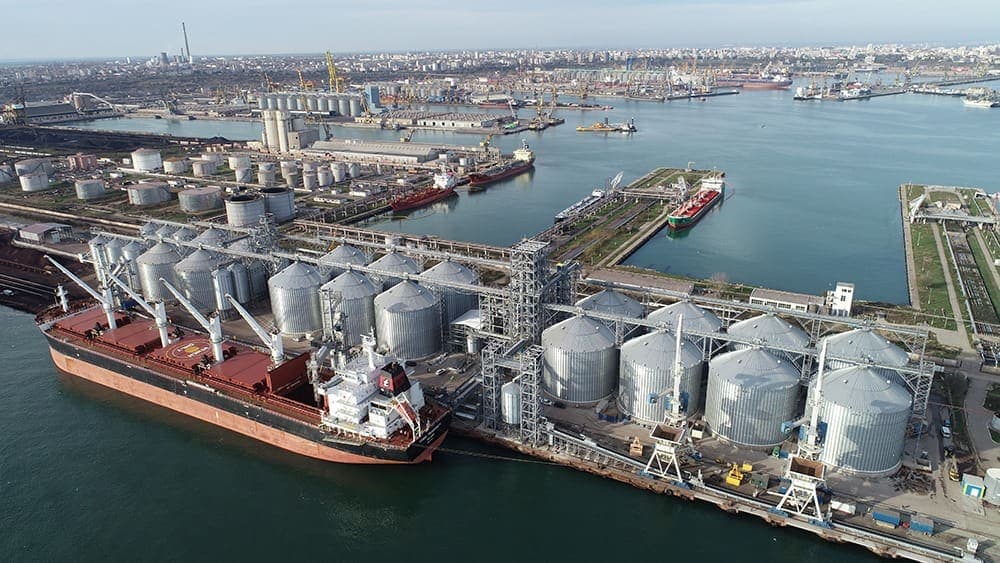
The current 120-day agreement between Russia, Ukraine, the United Nations, and Turkey expires at the end of this week, and it was agreed at the end of last year that the arrangements could be extended.
Chairman Norbert Lins and the delegation leaders in the agriculture committee believe the arrangements should be extended by more than 60 days ‘to secure global food supply’. Russia’s war against Ukraine led to the blockade of Ukrainian Black Sea ports early last year and to significant price increases for grains and fertilizers.
With mediation by the UN and Turkey, a grain deal was reached in the summer of 2022 that included the release of Ukrainian ports for grain export. The initiative, originally agreed for 120 days, was extended by another 120 days in the fall.
Promotion
According to the UN, since the introduction of the grain agreement, approximately 24 million tons of grain have been shipped in more than 1,600 shiploads through the Black Sea ports.
Various international press agencies report that behind the scenes, intense diplomatic consultations are taking place, in which UN chief Antonio Guterres is urging Moscow to maintain Ukrainian grain exports by sea.
The Kremlin believes that international sanctions against the country should be eased, especially those that hinder the export of Russian raw materials for fertilizer.
Food and fertilizer are formally not subject to boycott rules and export restrictions, but tightened rules for international payments prevent or hinder orders from Russian companies. Moscow believes the UN should do something about this.