The European Parliament believes that Czech Prime Minister Andrej Babiš must repay his European subsidies. As prime minister, he directly influenced the awarding of European subsidies to his own agro-chemical company Agrofert.
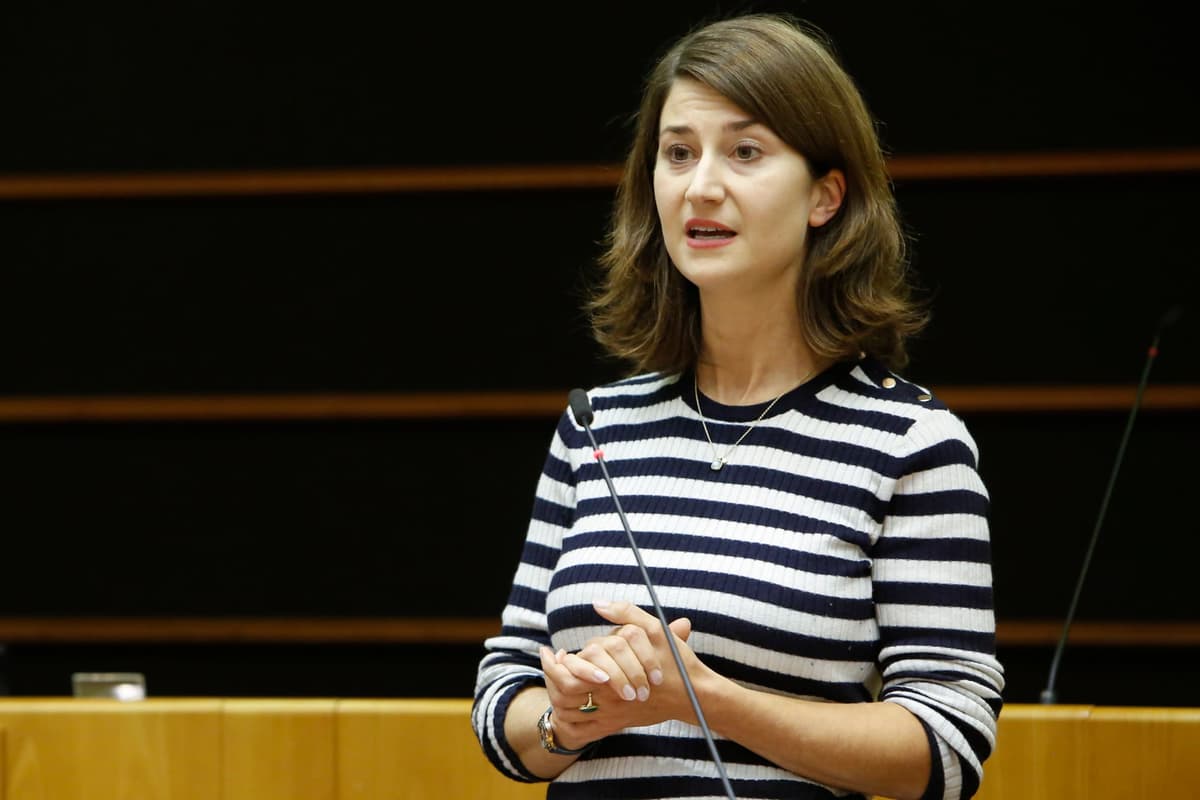
Dutch Member of the European Parliament Lara Wolters (PvdA) co-drafted a report on this matter, which the budget control committee yesterday approved nearly unanimously. So far, European government leaders and heads of state have refused to comment on their colleague Babiš.
The European Parliament believes sanctions should be imposed, but not – as the European Commission wants – by withdrawing Czech EU subsidies. In that case, the Czech population would be the ones to suffer. The European Parliament holds that henceforth no payments should be made to companies owned by Babiš.
Businessman Babiš has been prime minister since 2017. He is also the head of Agrofert, a large corporation dealing in chemical agricultural products. He has formally placed his control under two holding companies, but he still retains full control over them.
The European Parliament has long been concerned about the situation in the Czech Republic, where under Babiš there has been a conflict of interest between government and business. In 2018, 2019, and 2020, the European Parliament adopted resolutions highlighting the abuse of EU agricultural funds in the Czech Republic.
This issue partly contributed to the new Common Agricultural Policy (CAP) allowing a cap to be set on payments to large agricultural businesses and spreading CAP funds over multiple recipients.
Some Members of the European Parliament argue that the Babiš issue should not be used as a reason to expand EU controls in member states, saying individual countries should be responsible for better oversight. Others say that experience proves the exact opposite.