The European Parliament has decided that EU countries may no longer have their costs for a temporary EU presidency sponsored by large multinationals. According to a large majority in the parliament, the costs for the presidency, which rotates every six months to a different EU country, must be paid from general funds.
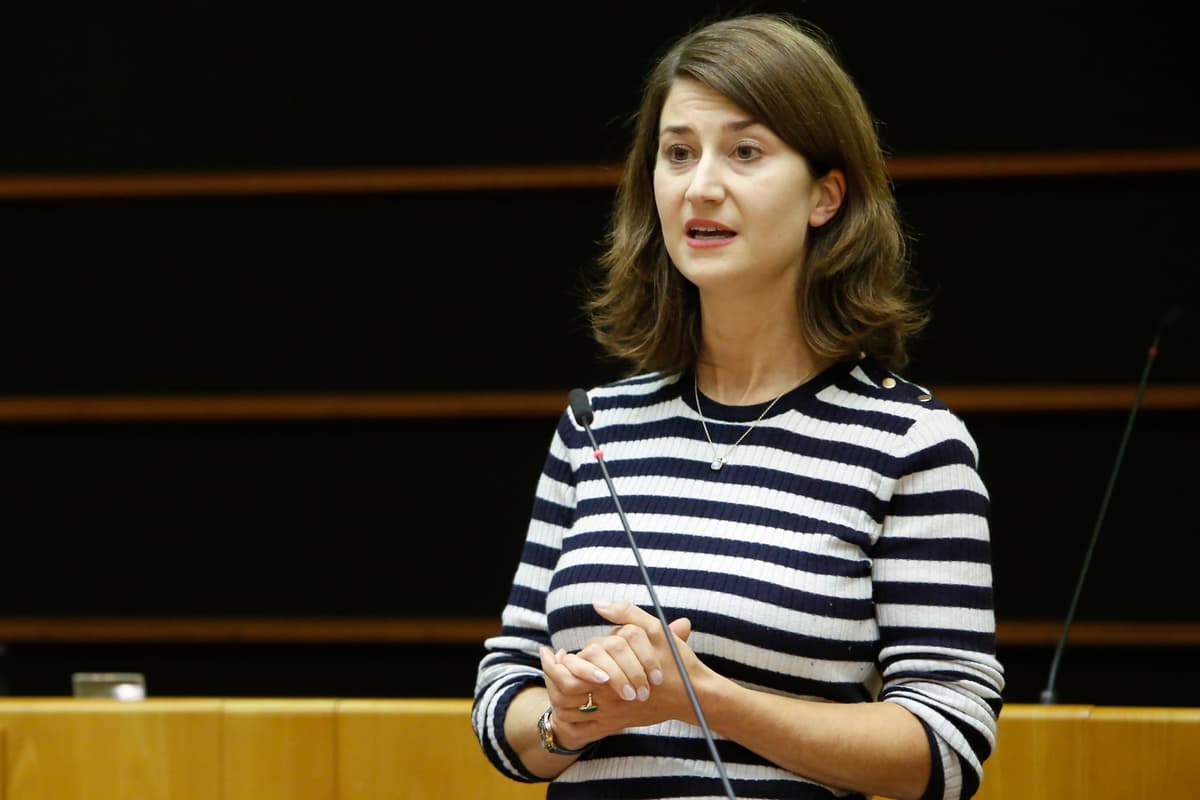
This means that the costs must be covered from the joint European pot, says MEP Lara Wolters (PvdA). “It is absurd that a public institution receives money from a private sponsor. BMW, as a private sponsor, donates one hundred cars to the Finnish presidency. And this while in European politics the debate about what cars may emit is in full swing,” Wolters told AD. The discussion about sponsorship started earlier this year, after then-EU president Romania came under scrutiny due to sponsorship from Coca Cola.
Wolters, who took the initiative for the parliament’s ruling, does not want any conflict of interest. “We must get rid of the image that a few individuals or companies can determine EU policy.” The issue has been on the table of European governments for some time, who must now look at whether they want to find financial room in the budget.
Since the start of this century, the costs countries incur as EU president have risen considerably. The Netherlands also had several sponsors during its presidency in 2016 to cover costs. Ziggo, AkzoNobel, Philips, and Heineken NL were then the companies contributing at least 5,000 euros. The funds were spent on conferences and hotel stays for delegations from abroad.
According to Lara Wolters (PvdA), considerable costs are associated with such a rotating presidency. She told AD: ‘You organize dozens of meetings and conferences. But there is no separate fund for this. The countries have to pay themselves. Member states consider such a presidency very important; you can shine fully for half a year, but apparently it should not cost the EU anything. So those countries look for external financing.’
Wolters is also aware that many people complain about the EU and what it all costs. The Finnish presidency is, for example, budgeted at 70 million euros. ‘But I say: democracy is important, it may well cost something. Countries find it convenient to save money this way, but conflicts of interest are really looming. Such a presidency is simply part of the democratic process. Why should you sponsor that? The Dutch House of Representatives is not called the Holland Heineken House, after all?’