During a working visit to the Bulgarian/Turkish border, Members of the European Parliament once again observed violations in animal transports to destinations outside the EU. It was the sixth visit to an EU border post from which livestock transports to Africa and the Middle East depart.
“Cattle arrived starving and thirsty at the Turkish border, and still had a long journey ahead of them. We ended up buying hay ourselves for the animals,” says Dutch MEP Anja Hazekamp (Party for the Animals). Over the past years, MEPs have made working visits to export ports in Slovenia, Croatia, Spain, France, and Romania.
Official inspections from the European Commission and investigations by animal welfare organizations also confirm abuses in multi-day animal transports over long distances.
The EU cannot guarantee the welfare of these animals once they cross the border, although the rules require this. According to MEPs, a Europe-wide ban on the export of live animals to countries outside the EU is the only way to stop this animal suffering.
Following earlier reports and several hearings in the European Parliament involving transporters, national authorities, farmers, animal welfare organizations, and the European Commission, Hazekamp has submitted a series of recommendations. She is the vice-chair of the parliamentary inquiry committee on animal transports.
Annually, the EU exports more than 3 million sheep, cows, piglets, and goats, as well as hundreds of millions of chickens, to countries outside Europe, including Russia, Africa, and the Middle East. The risk of animal suffering during transport to third countries is high, as confirmed by the European Commission and animal welfare organizations.
There is now a call for a ban on exporting live animals, which is also supported by the Netherlands, Germany, and Luxembourg. National bans, such as those in the Netherlands and Germany, are still circumvented by first exporting the animals to another EU country. "Only with a Europe-wide ban is it possible to stop this export," says Hazekamp.
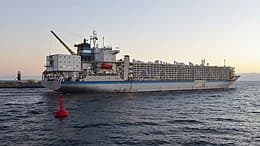
Currently, there are 78 ships with permits within the EU for animal transports. These are converted outdated cargo ships that critics say are barely adapted to animal behavior.