

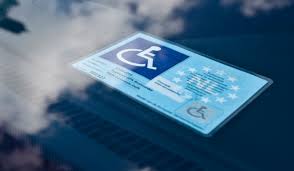
The EMPL Committee on Employment and Social Affairs unanimously approved a report by Slovak liberal Lucia Duris on the criteria for this first EU-wide disability card on Thursday in Brussels. Approximately 87 million people in Europe live with some form of disability. They often face obstacles when traveling and staying in other European countries because their disability status is not equally recognized everywhere.
Until now, each EU country has had its own rules for the use of a disability parking card. The new card will also be valid in Liechtenstein, Norway, Iceland, and Switzerland.
In September, the European Commission put forward a proposal to ensure that both cards facilitate the right to free movement for persons with disabilities. People with disabilities will have the same access to special conditions, preferential treatment, and parking rights when traveling and staying in other European countries.