

With the Parliament voting next week on its final position, under time pressure from the upcoming EU elections, tensions behind the scenes are high. This proposal also reflects the traditional divide between the ENVI (Environment) Committee and the AGRI (Agriculture) Committee.
Over the past year, the European Commission has already made concessions to the proposal under pressure from multiple EU countries, but still at least about ten countries refuse any chemical ban. The Netherlands and several other major agricultural countries do believe that use must be drastically reduced, which they will reaffirm Monday during their monthly meeting in Brussels.
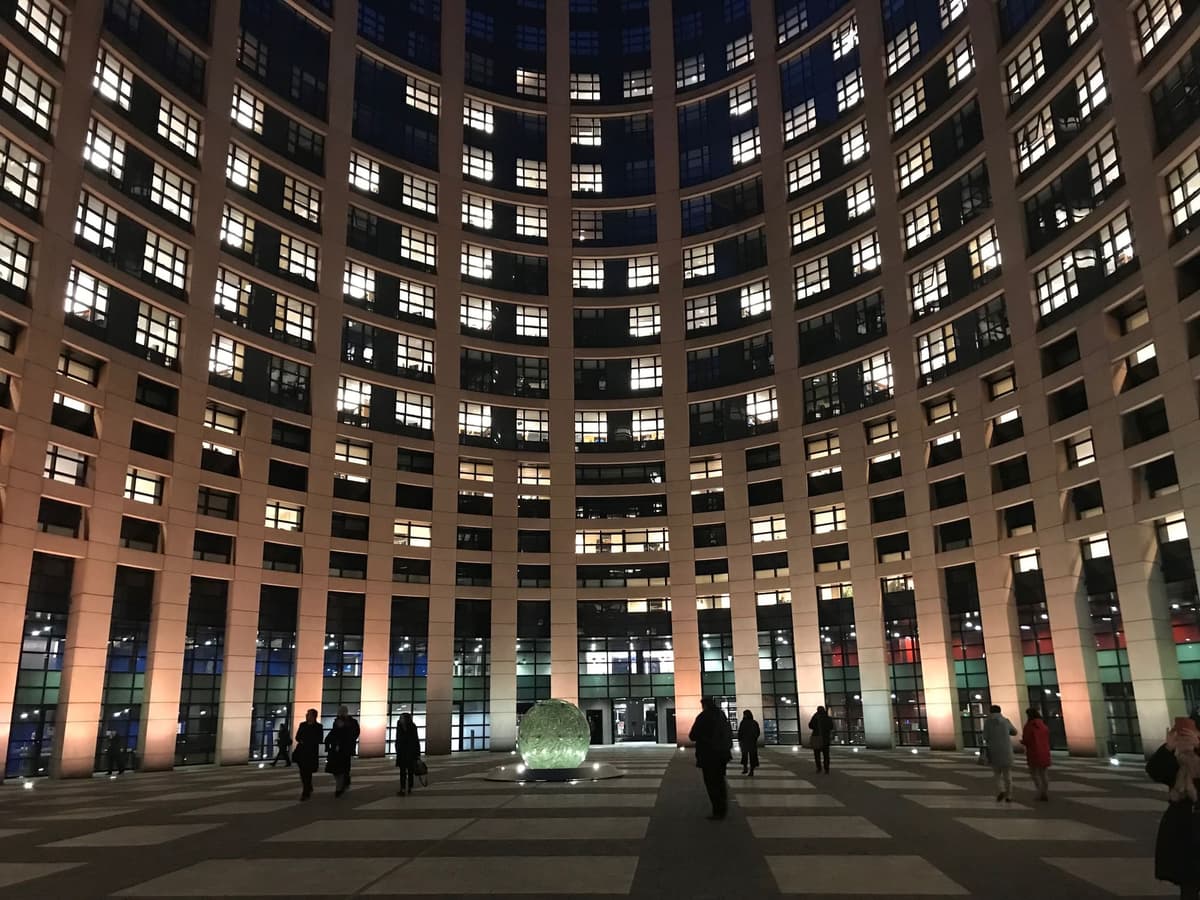
Likewise, at the full European Parliament session in Strasbourg this week, there is a threat of a repeat of the recent voting chaos seen with the nature restoration law, where political groups rejected nearly every compromise and tried to insert their own positions into the new law via amendments.
Promotion
Although the Agriculture Committee is not the lead committee for the new pesticide rules, it shares authority over some parts of the dossier with the Environment Committee.
Key points of contention include the start date: the European Commission and the environmental side advocate for 2030, but many EU countries and agricultural groups want it delayed by five years. Furthermore, there is still debate on whether each country should have its own binding reduction targets or if there should only be an EU-level obligation, with each EU country having a 'commitment to effort' to contribute. Critics say this would undermine the intended effect of the new law from the outset.
Reportedly, the current EU presidency (Spain) plans to propose a new dilution on Monday to the agriculture ministers that would effectively eliminate per-country targets. This complicates the legislative process further because the Environment ministers (still) do not agree. The Environment ministers are set to finalize the EU countries’ position in mid-December.
And if the EU countries do agree among themselves and if the European Parliament adopts a position, it still remains to be seen whether both legislative bodies will then agree with the European Commissioners on a final compromise. If this is not achieved in the coming months, the SUR pesticides proposal risks being postponed to the new European Commission, sometime in 2025….