

In that case, the expansion for new crop techniques could still be decided before the European elections in June. However, this does not appear likely.
The Agri-Agriculture Committee of the European Parliament already agreed in January to lift the patent ban on NGT-1 varieties as soon as possible. However, at that time it was requested to prevent (chemical) companies from applying for patent rights on GMO agents.
At the end of last year it became clear that among the Agri ministers of the 27 EU countries there is not yet the required qualified majority. While 15 countries are in favor, together they do not have the required 65% of the EU population, but only 57.8%. Germany (18.72%), Belgium (2.61%) and Bulgaria (1.44%) abstained from voting because their national government coalitions are divided on the matter. Nine countries, including Poland (8.37%), want improvements to the proposal such as protection of breeders' rights.
Promotion
It is certain that the Agri ministers of Germany and Belgium (which holds the rotating EU presidency this half-year) will abstain from voting again on Wednesday. Poland could be decisive on Wednesday if clarity is provided on mandatory labeling of GMO-modified food products. The Agri-Agriculture Committee is against this, but the Envi-environment Committee is in favor.
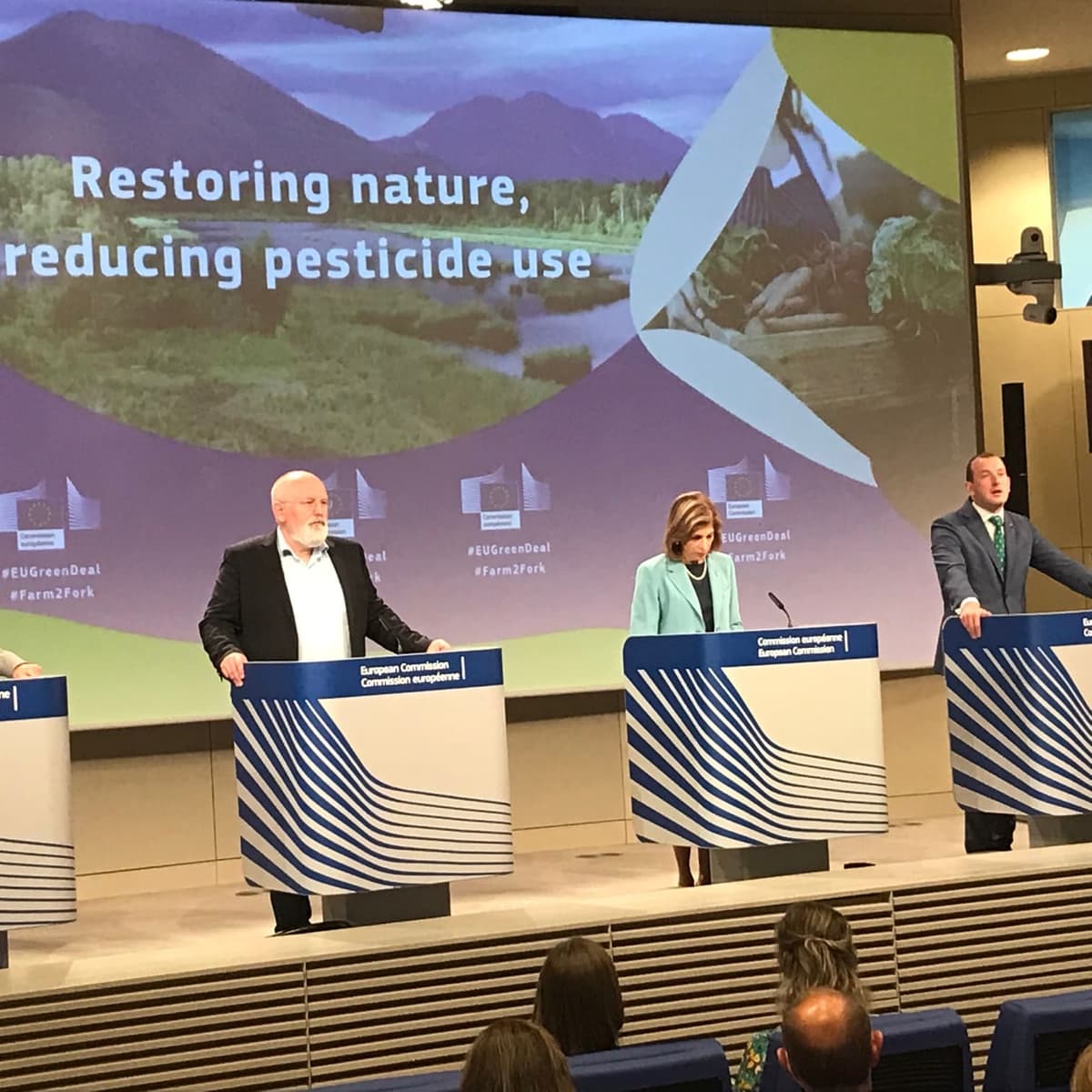
As a result, it looks like a third part of the European Commission's Green Deal plans is going to be dismantled. Last year, the directive to prevent further deterioration of natural areas by the EU countries and the Agriculture Committee was already stripped of new obligations.
Also, a proposal for less use of chemical pesticides was ultimately rejected by the European Parliament after almost all new criteria were voted down. The current Belgian EU presidency has announced it wants to remove controversial parts of the bill and then resubmit it to the Agriculture Ministers.