

EU negotiator Barnier stated that last week's Brexit talks with the British government made no progress whatsoever. Negotiators from the UK and the European Union called on their political leaders to break through the deadlock in negotiations over a future trade deal between the two parties.
Speaking after a fourth round of talks on Friday, the EU's chief negotiator, Michel Barnier, accused Britain of backing away from promises made when they left the EU. He said there had been no significant progress since the start of the discussions.
Barnier made it clear that he is beginning to lose patience. 'I don’t think we can continue like this forever,' Barnier said during a briefing in Brussels. "These negotiations will require additional political momentum."
Promotion
In an interview with the British newspaper The Times, Barnier said that "the UK has taken three steps back from the original commitments made," adding that the EU wants the United Kingdom to respect these promises "to the letter."
The transition period ends on December 31 of this year, so the UK and the EU must reach an agreement by then or risk ending up in a "no-deal" scenario, which both parties have repeatedly claimed they want to avoid. There is still the possibility to request an extension, at least until July 1, but the UK has categorically ruled out this happening.
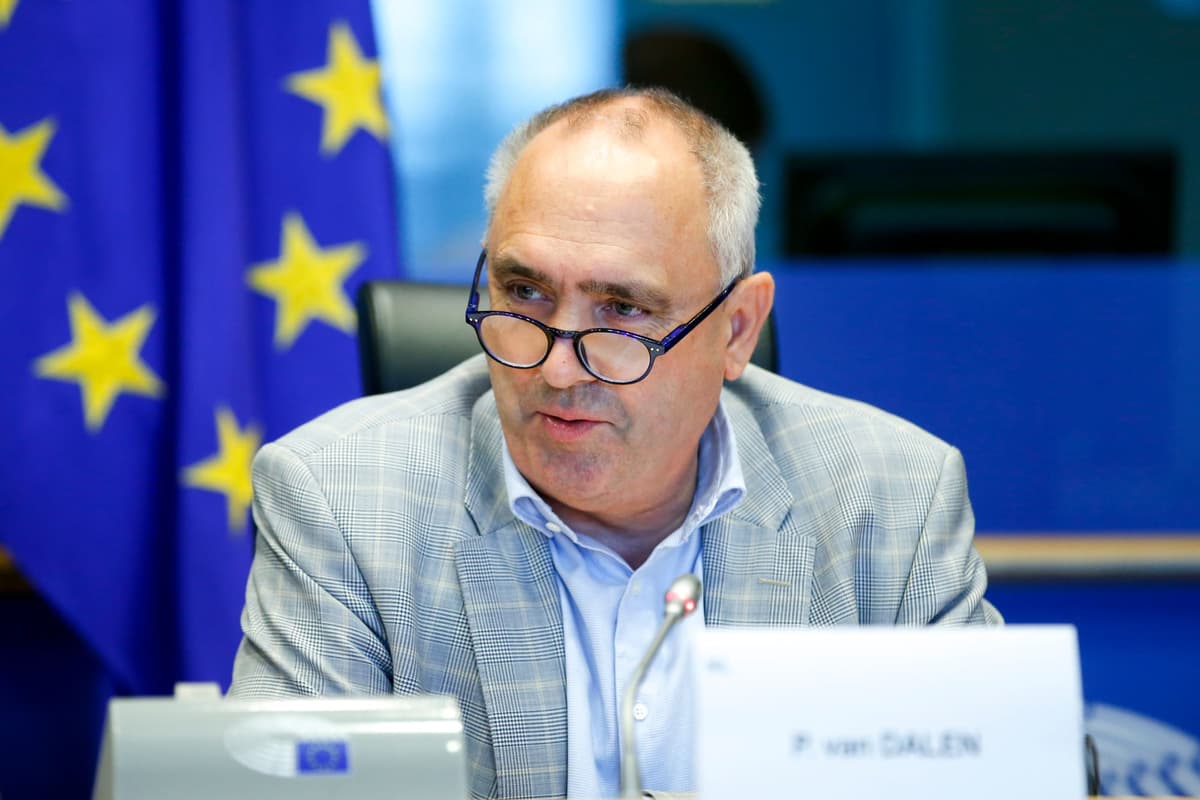
This makes a British departure without any transition arrangements at the end of this year appear inevitable, responded Member of the European Parliament Peter van Dalen (Christian Union). "The fourth round of negotiations appears to have stalled. The British have even started to deviate from previously agreed political arrangements. This stubborn and irresponsible attitude will ultimately create losers on both sides of the Channel. This is a black day for the Brexit negotiations," Van Dalen said.
Only top-level talks later this summer between Michel (European Council), Von der Leyen (European Commission), and Johnson (British Prime Minister) still hold hope. This situation is dramatic for the Dutch fishing industry, Van Dalen said.
"The European position is clear: no fisheries agreement means no trade agreement either. If access to the western waters of the North Sea is closed for Dutch and European fishermen, the European enforcement will come into play: then the British will face high tariffs on their fish and fish products that they want to export to European Union countries. An undesirable measure, but unavoidable."
The Dutch Member of the European Parliament said he hopes the British employers' organization Confederation of British Industry manages to persuade the Johnson government to reconsider. That is in both their interest and ours. The current situation of the negotiations is indeed dramatic," Van Dalen responded in a press release.