

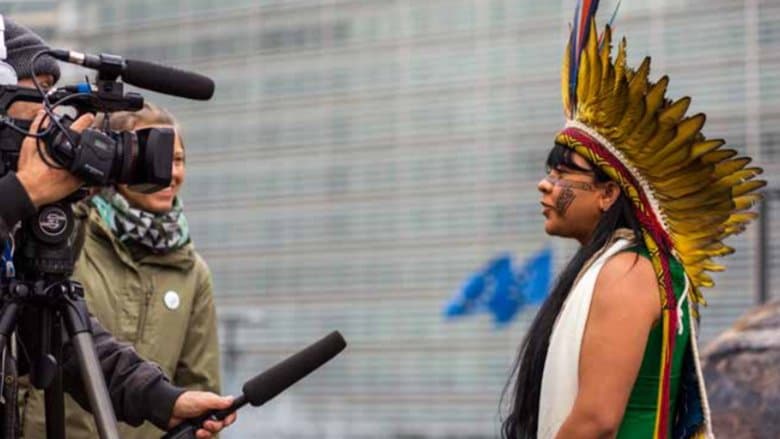
They call for an immediate halt to administrative adjustments in the trade agreement between the EU and the Mercosur countries. The coalition of agricultural and environmental groups cites not only adverse effects on agriculture and food production but also unfair trade, environmental damage, and disruption of trade relations.
The umbrella organization of more than 100 groups, including Copa-Cosega, has previously raised concerns with the European Commission, after which Brussels stated it wants to make additional agreements with the Mercosur countries on compliance with modern (read: European) environmental standards. This primarily concerns Brazil, which must halt the deforestation of the Amazon rainforest to establish mega corn plantations.
Several EU countries consider that adding an explanatory supplementary ‘annex’ to the agreement addressing the controversial deforestation could be a solution, but the dozens of organizations call this ‘greenwashing’; justifying something with (pseudo) environmental arguments.
Promotion
If approved, the Mercosur agreement between the EU and South American countries would expand bilateral trade and reduce tariffs. “We need a strong and reliable relationship with Mercosur. Cooperation instead of competition and solidarity instead of exploitation should be the guiding principles,” says Theresa Kofler, coordinator of the Anders Handel platform, an alliance of
Christiane Lambert, chair of Copa, which represents EU farmers, says the deal negatively impacts many vulnerable European agricultural sectors because the bargaining power of European farmers shifts to that of the major market players in the Mercosur countries.
The sectors of beef, poultry, sugar, ethanol, rice, orange juice, and honey are identified by Copa as some of the European sectors most likely to be harmed by Mercosur. Moreover, farmers in Brazil alone use 27 herbicides and insecticides banned in Europe, raising concerns about future imports and food safety.