

The Agriculture Committee of the European Parliament will hold a public hearing on Monday about EU agriculture after Brexit. The biggest issue is whether a UK-EU trade agreement will be reached. Commission President Ursula von der Leyen and British Prime Minister Boris Johnson are holding urgent talks on this matter tonight.
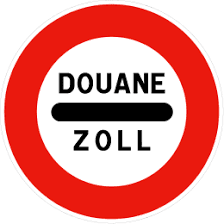
The AGRI committee hearing has been organized because it has become increasingly clear in recent weeks what the consequences will be if no trade agreement is reached. In that case, as of January 1 (in three weeks!!), worldwide WTO customs rules and tariffs will have to be implemented, including a full customs system. British and European ports and exporters are nowhere near ready for this.
In a trade agreement, the EU and the UK can agree not to impose import duties (maintaining the current situation), or only for a few special products (to protect domestic industry). In all cases, there must be a 'level playing field' and an 'independent referee'.
Promotion
The AGRI hearing is intended to address the consequences for agriculture. Experts will share their opinions on the looming situation in the most affected sectors and member states.
The agriculture discussion in Brussels coincides with current speculation about a possible fisheries agreement. Fishing rights in British North Sea waters are one of the three major sticking points. Dutch fisheries and the flower trade also fear the worst without a trade agreement.
Many British companies apparently see the warning signs and are already making as many purchases as possible on the continent. They are also already shipping as many products as possible (without import tariffs) to the EU.
This has caused extremely long queues at the Channel Tunnel train in Calais in recent weeks. The traffic congestion is a result of fears that the new customs rules will have many teething problems.